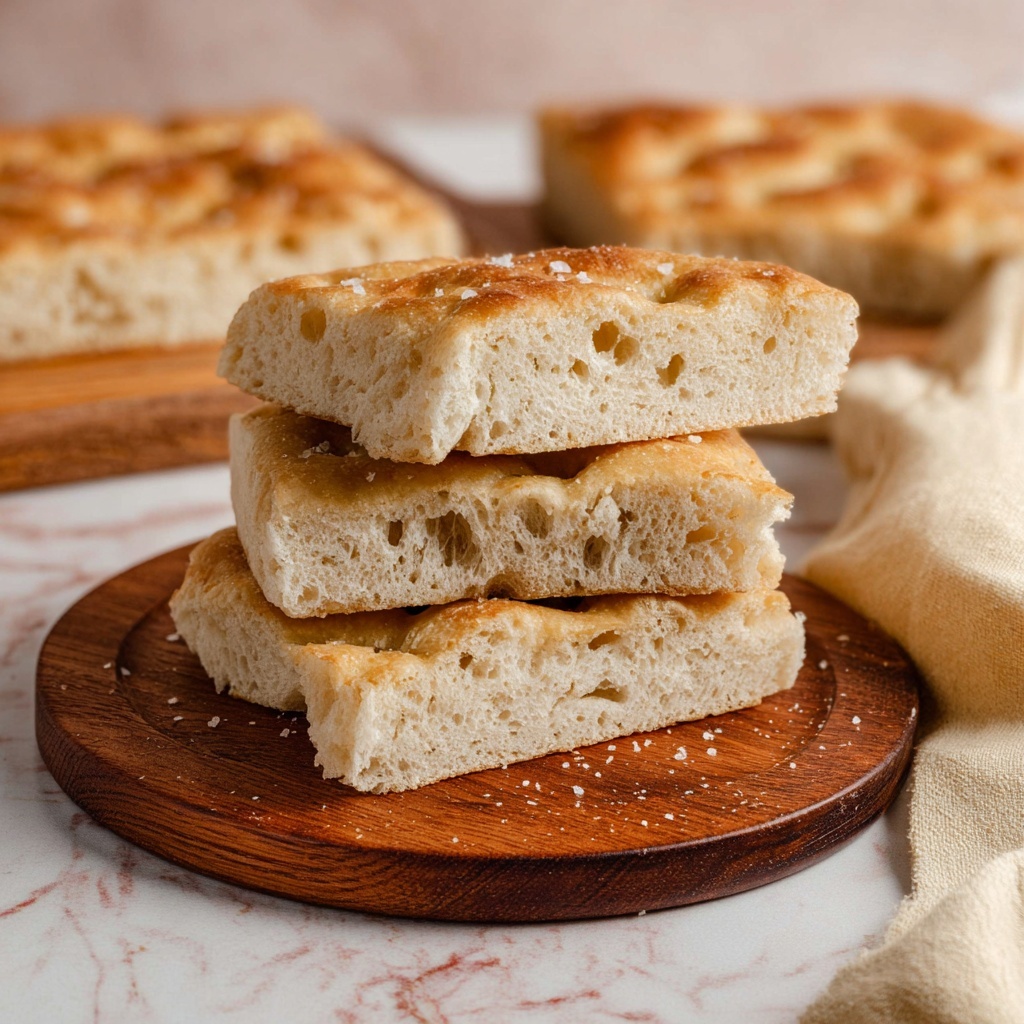
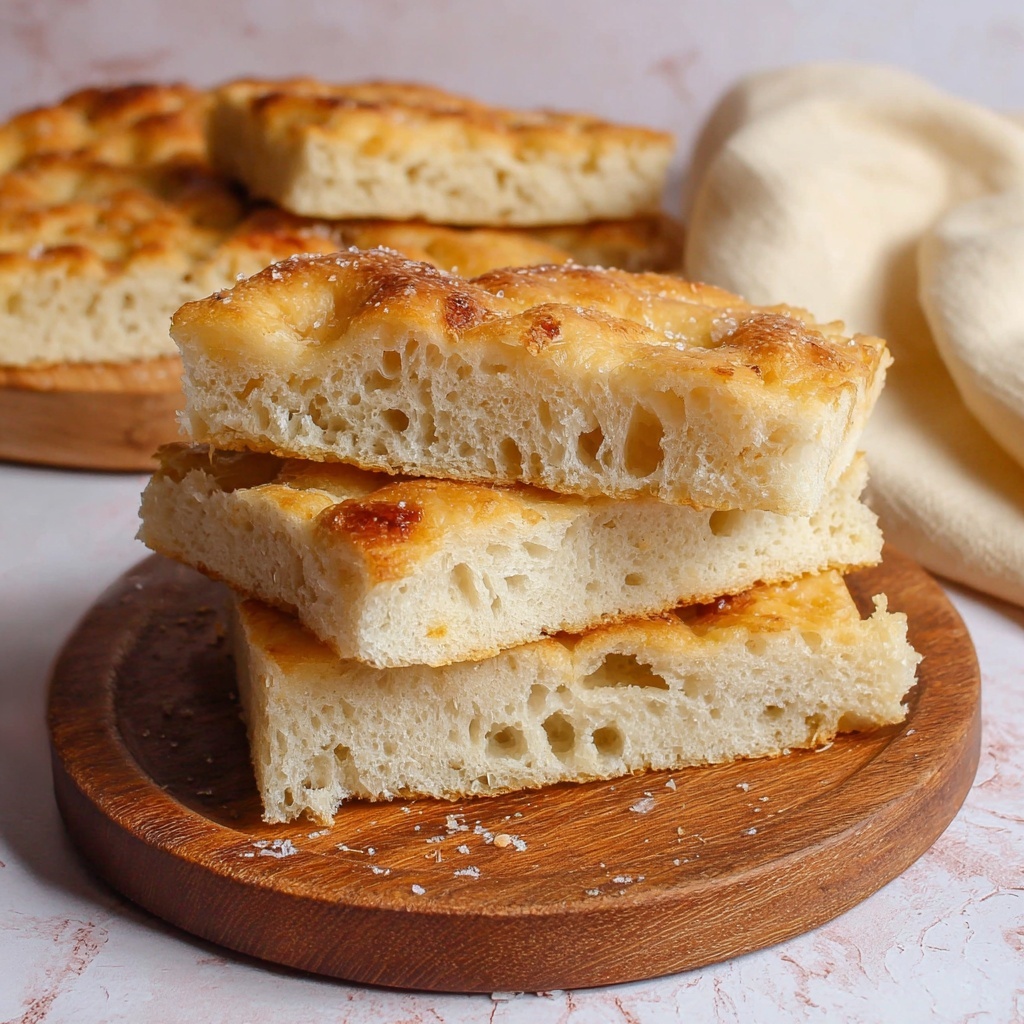
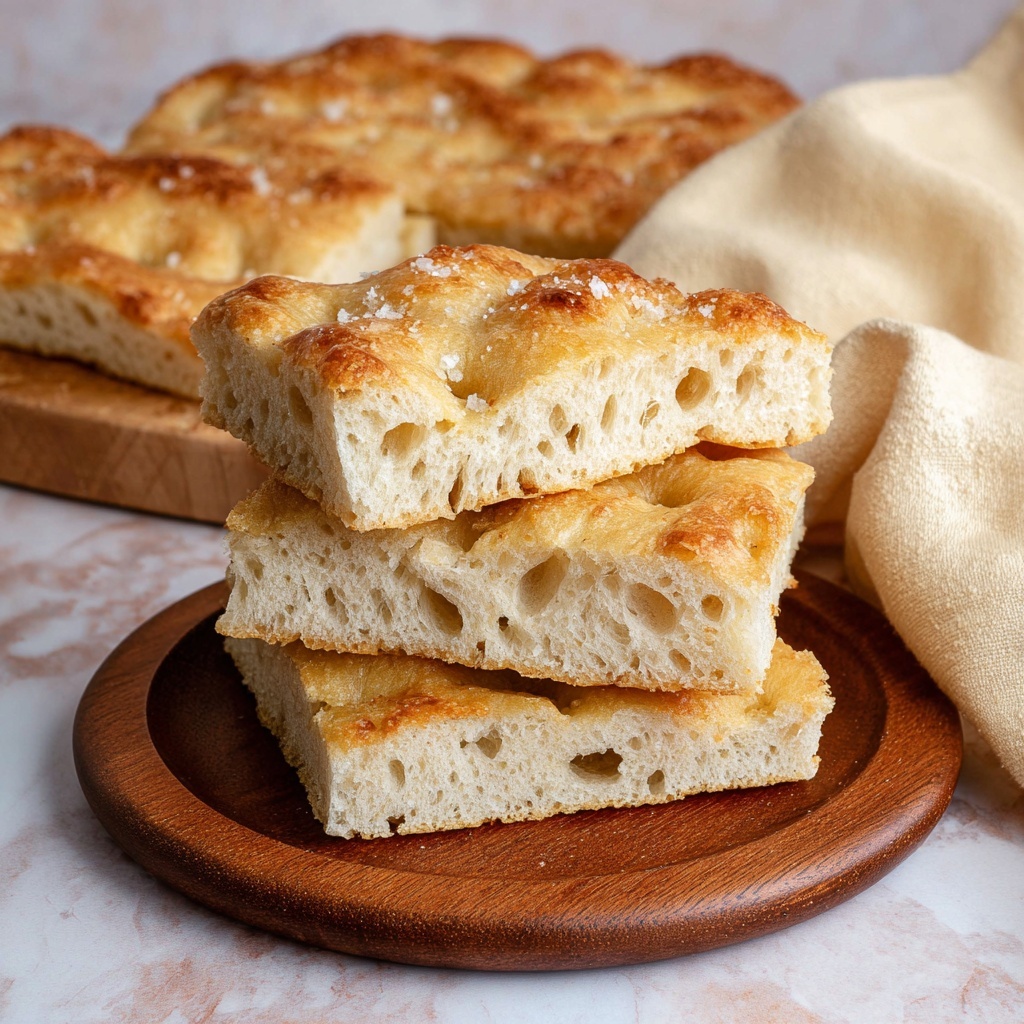
If you have ever wanted to bring a slice of Italy right into your kitchen, this Focaccia Bread Recipe is exactly what you need. Crispy on the outside and delightfully soft and airy on the inside, this traditional Italian bread is infused with golden olive oil and sprinkled with coarse salt for a perfect balance of flavor and texture. Whether you enjoy it as a snack, a side, or a base for creative toppings, this recipe is a simple yet authentic way to experience the soul of rustic Italian baking. Get ready to fall in love with every bite of this charming focaccia bread.
Ingredients You’ll Need
Though the ingredients for this Focaccia Bread Recipe are minimal, each one plays a crucial role in creating that distinctive taste and texture. From the yeast that helps it rise to the olive oil that enriches it with flavor and moisture, every component is carefully chosen for its contribution to the final masterpiece.
- Active dry yeast (2 teaspoons): This tiny packet of life is what makes your dough rise and get that airy texture.
- Warm water (2 cups): Ideally between 105-110ºF, it wakes up the yeast and starts the fermentation process.
- Kosher salt (2 teaspoons): Adds essential seasoning and enhances all the bread’s flavors without overpowering.
- All-purpose flour (4 cups): The foundation of the dough, providing structure while still keeping the bread tender.
- Extra virgin olive oil (about 1/4 cup plus extra): For richness, a beautiful golden crust, and those irresistible dimples where flavor pools.
- Kosher or sea salt for sprinkling: Adds texture and a salty crunch on top, accentuating the olive oil’s depth.
How to Make Focaccia Bread Recipe
Step 1: Activate Your Yeast
Begin by dissolving the active dry yeast in warm water between 105-110ºF—just the perfect temperature to wake up the yeast without killing it. Stir in the salt and then add 2 cups of flour. Mix until you have a soft, sticky dough forming. This part is magic in motion as your bread begins its journey.
Step 2: Incorporate Remaining Flour
Now add the remaining 2 cups of flour. Mix thoroughly with a rubber spatula. The dough will still be somewhat sticky and shaggy, which is exactly what you want for a moist and tender focaccia crumb. Resist the urge to add too much flour here; sticky dough means a tender bread.
Step 3: First Rise
Oil a clean bowl generously and transfer the dough into it. Cover with plastic wrap and place it in a warm spot where it can relax and rise for about 45 minutes. Patience now because your dough will double in size, becoming light and bubbly—an absolute sign that the yeast is doing its magic.
Step 4: Preheat the Oven
While the dough is rising, set your oven to 425ºF. This high heat will give the focaccia its signature crispy golden crust, caramelizing the olive oil and salt on top perfectly. Make sure the oven is fully heated before baking.
Step 5: Shape the Dough
Once risen, generously oil a baking sheet. Turn out the dough onto this sheet and gently press it into a rough rectangle. Use floured or oiled fingers to avoid sticking and keep the dough soft. This shaping is where focaccia gains its rustic charm—don’t worry about perfection, it’s all about that inviting irregularity.
Step 6: Add Olive Oil and Dimples
Now here’s the step that makes focaccia truly unique: drizzle olive oil generously over the dough. Spread it around lightly with your fingers, then create little dimples all over by pressing your fingertips into the dough. Those indentations trap olive oil while baking, ensuring every bite bursts with flavor and gives that traditional texture.
Step 7: Season Generously
Sprinkle kosher or sea salt evenly over the top. This final seasoning adds crunch and highlights the olive oil’s fruity and peppery notes. It’s the perfect seasoning balance that turns simple dough into an extraordinary bread.
Step 8: Bake to Perfection
Slide the baking sheet into your hot oven and bake for about 20-22 minutes. Keep an eye on it and, if necessary, rotate halfway through to ensure even browning. You’re aiming for a deep golden crust that sings with aroma and crunch.
Step 9: Cool and Enjoy
Let the focaccia cool slightly on a wire rack before slicing. This resting time lets the crumb finish setting so that every slice holds its light, airy texture while delivering that satisfying chewiness you crave. Now, savor each piece fresh from your oven.
How to Serve Focaccia Bread Recipe
Garnishes
While simple sea salt is classic, you can jazz up your focaccia with fresh rosemary, garlic, olives, caramelized onions, or cherry tomatoes for extra bursts of flavor. A sprinkle of flaky sea salt after baking adds delightful crunch and taste that will win hearts.
Side Dishes
Focaccia pairs beautifully with many dishes—think vibrant salads, hearty soups like minestrone, or even alongside your favorite Italian meal such as pasta with tomato sauce. It’s a versatile bread that complements any simple or elaborate spread.
Creative Ways to Present
Turn your focaccia into a party centerpiece by slicing it into strips for dipping in olive oil infused with balsamic vinegar, or transform it into a sandwich base with fresh veggies, meats, and cheeses. The dimples make perfect little pockets for stuffing herbs, cheeses, and other fun toppings.
Make Ahead and Storage
Storing Leftovers
If you have leftovers, store focaccia at room temperature wrapped lightly in foil or a clean kitchen towel to keep the crust crisp but crumb tender. It’s best eaten within 1-2 days for maximum freshness.
Freezing
To freeze, wrap focaccia tightly in plastic wrap and place it inside a freezer bag. Label it and freeze for up to one month. Thaw overnight at room temperature or in the fridge, then reheat to regain that freshly baked taste.
Reheating
Reheat by warming in a 350ºF oven for 10-15 minutes until the crust crisps back up and the inside is soft and warm again. Avoid microwaving to preserve that wonderful texture.
FAQs
Can I use bread flour instead of all-purpose flour?
Absolutely! Bread flour can give your focaccia a chewier texture due to the higher protein content. Both work well, so use what you prefer or have on hand.
Why is my dough sticky?
Sticky dough is a good sign for focaccia! It means the dough is hydrated enough to create a tender crumb. Try oiling your hands and work surfaces instead of adding extra flour to handle it.
Can I add toppings before baking?
Yes, you can add toppings like rosemary, olives, or sliced onions right after dimpling and oiling the dough. They will bake right into the focaccia, infusing flavor beautifully.
Do I have to let the dough rise twice?
This recipe uses one primary rise for simplicity, but you can experiment with a second rise after shaping for even more texture development if you like.
What’s the best olive oil to use?
For the best flavor, choose a good quality extra virgin olive oil. It adds fruity and peppery notes that elevate your focaccia from good to unforgettable.
Final Thoughts
This Focaccia Bread Recipe is such a joy to make and share. It captures the heart and soul of Italian bread baking in a way that’s approachable for everyone. Once you try it, you’ll find endless delicious reasons to bake it again and again. So gather your ingredients, get your hands a little floury, and enjoy the incredible journey to perfect homemade focaccia.
Print
Focaccia Bread Recipe
- Prep Time: 10 minutes
- Cook Time: 22 minutes
- Total Time: 1 hour 12 minutes
- Yield: 1 focaccia bread (about 12×8 inch sheet)
- Category: Bread
- Method: Baking
- Cuisine: Italian
Description
This simple and classic focaccia bread recipe yields a golden, flavorful loaf with a wonderfully soft interior and a crispy, olive oil-infused crust. Perfect for pairing with soups, salads, or enjoying on its own as a snack.
Ingredients
Dough
- 2 teaspoons (one packet or 1/4 ounce) active dry yeast
- 2 cups warm water (105-110ºF)
- 2 teaspoons kosher salt
- 4 cups all-purpose or bread flour (preferably all-purpose)
For Baking
- About 1/4 cup extra virgin olive oil, plus more for oiling the bowl and baking pan
- Kosher or sea salt for sprinkling on top
Instructions
- Activate the yeast: In a large bowl, combine the active dry yeast with the warm water (105-110ºF). Stir in the kosher salt and 2 cups of the flour and mix until a soft, sticky dough forms.
- Add remaining flour: Incorporate the remaining 2 cups of flour using a rubber spatula, mixing well. The dough will still be somewhat sticky and shaggy but should come together.
- Let dough rise: Oil a clean bowl generously and transfer the dough into it. Cover tightly with plastic wrap and place in a warm spot to rise for about 45 minutes, until doubled in size.
- Preheat oven: Set your oven temperature to 425ºF to prepare for baking.
- Prepare baking sheet: Generously oil a baking sheet to prevent sticking and give the bread a delicious olive oil coating.
- Shape the dough: Turn the risen dough onto the oiled baking sheet and gently press it out into a rectangular shape using floured or oiled fingers.
- Add olive oil and dimples: Drizzle olive oil over the dough surface. Using your fingers, spread the oil evenly and then create small dimples all across the dough. These indentations will hold the oil, contributing to flavor and texture.
- Season the top: Lightly sprinkle kosher or sea salt over the top of the dough for a final touch of seasoning.
- Bake the focaccia: Bake in the preheated oven for 20 to 22 minutes until the bread turns golden brown. Rotate the baking sheet halfway through if necessary for even baking.
- Cool and serve: Allow the focaccia to cool slightly before slicing. Enjoy it fresh and warm for the best flavor and texture.
Notes
- Use warm water at the specified temperature to properly activate the yeast without killing it.
- Don’t skimp on the olive oil when drizzling; it adds crucial flavor and gives the characteristic focaccia texture.
- Dimpling the dough helps trap the oil for moistness and a delicious crust.
- Letting the dough rise fully greatly affects the bread’s fluffiness and flavor.
- Focaccia can be customized with additional toppings such as rosemary, garlic, or olives if desired.