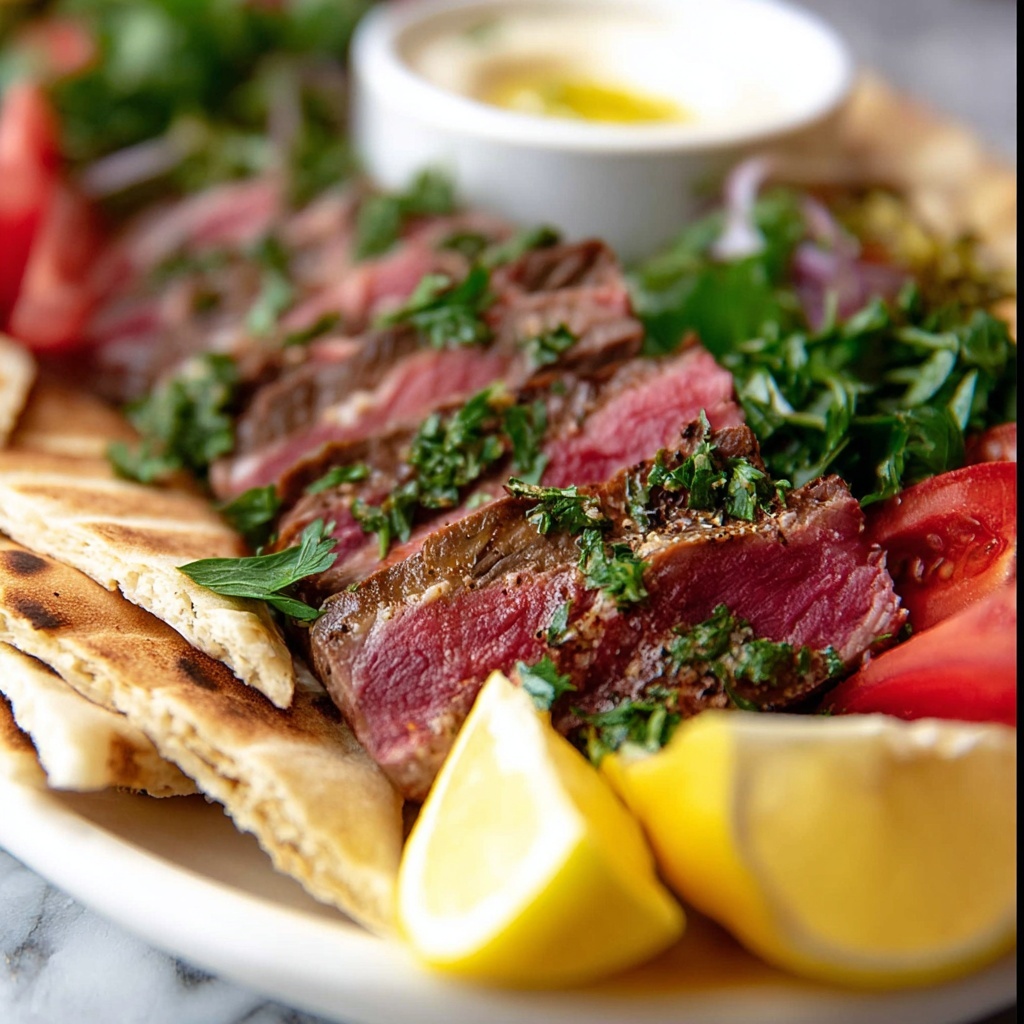
If you’re craving a dish that bursts with vibrant Mediterranean flavors while delivering tender, juicy meat, the Greek Butterflied Lamb Leg Recipe is an absolute treasure. This recipe masterfully combines simple, fresh ingredients like garlic, lemon, and oregano to create a marinade that perfectly complements the rich, buttery texture of boneless lamb leg. Whether for a festive gathering or a weekend treat, this dish impresses with its rustic charm and unforgettable taste, making it a go-to favorite for anyone who loves authentic Greek cuisine.
Ingredients You’ll Need
Each ingredient in this Greek Butterflied Lamb Leg Recipe is carefully chosen to elevate the lamb’s natural richness. Fresh lemon juice adds brightness, garlic offers a punch of savoriness, and oregano brings a classic herbaceous note, all balanced by the smoothness of olive oil and a touch of salt and pepper to season perfectly.
- 1.5 – 1.8kg / 3 – 3.6 lb butterflied lamb leg: Boneless for easy marinating and even cooking, this cut ensures the lamb stays juicy and flavorsome.
- 1 tbsp dried oregano: The quintessential Greek herb that infuses an earthy, slightly minty aroma to the lamb.
- 3 large garlic cloves (minced): Garlic delivers a deep, pungent flavor that melds beautifully with the lemon and herbs.
- 2 tsp salt: Enhances the meat’s natural flavors while helping to tenderize it.
- 1 tsp black pepper: Adds a subtle heat that penetrates the meat without overpowering it.
- 1/3 cup fresh lemon juice: Brings a zesty brightness that cuts through the richness and helps tenderize the lamb.
- 1 tbsp lemon zest: Intensifies the citrus flavor, making it fresh and fragrant.
- 1/2 cup olive oil: Rich and fruity, it locks in moisture and creates luscious caramelization during cooking.
- 1 tbsp oil (for brushing the BBQ or pan): Helps prevent sticking and creates a beautifully seared exterior.
- Lemon (for garnish): Adds a fresh, tangy pop and enhances the presentation.
- Oregano leaves (optional garnish): For a final herbal flourish on the plate.
- Flatbreads or store-bought pita breads: Perfect for wrapping up the meat and soaking up juices.
- Greek Salad: A crisp, refreshing side that balances the richness of the lamb.
- Tzatziki: Creamy and cool, this sauce is an ideal accompaniment that brings all the flavors together.
How to Make Greek Butterflied Lamb Leg Recipe
Step 1: Prepare the marinade
Start by combining the dried oregano, minced garlic, salt, black pepper, fresh lemon juice, lemon zest, and olive oil in a large ziplock bag. This marinade is the heart of the dish, infusing the lamb with a burst of tangy and savory notes that define Greek flavors.
Step 2: Marinate the lamb
Add the butterflied lamb leg to the bag, then massage the marinade into every crack and crevice of the meat. This hands-on step is crucial — it ensures every bite is perfectly seasoned. Seal the bag tightly and refrigerate for at least 3 hours, but ideally 24 hours, so the flavors deeply penetrate the lamb.
Step 3: Bring to room temperature
One hour before cooking, remove the lamb from the fridge to allow it to come to room temperature. This small step helps guarantee even cooking, so the meat cooks beautifully all the way through without drying out.
Step 4: Preheat and prepare for cooking
If cooking on a barbecue, preheat it to medium-high and brush the grill grates with oil to prevent sticking. Alternatively, heat a cast-iron skillet or heavy frying pan with a tablespoon of oil over medium-high heat. The high temperature ensures a perfect sear, locking in juices and creating a stunning crust.
Step 5: Cook the lamb
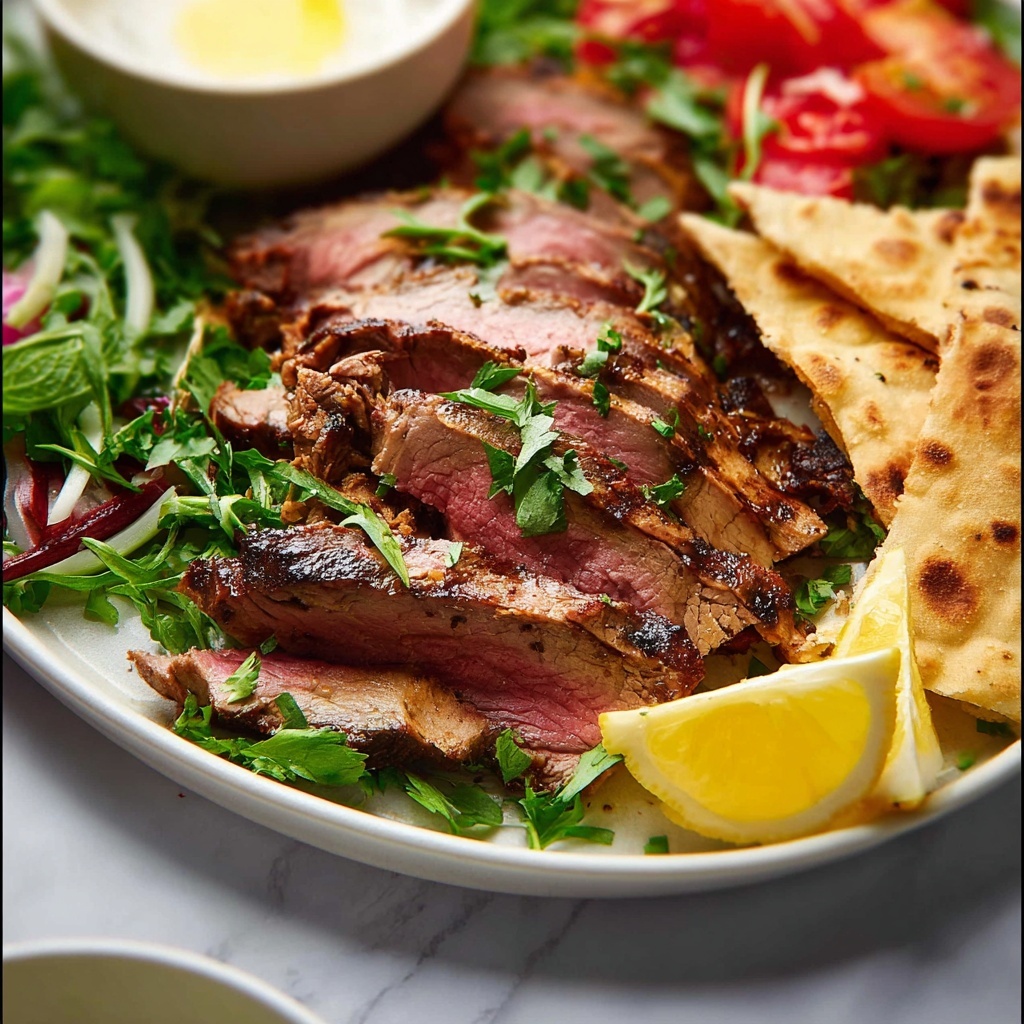
Place the lamb on the grill or skillet and cook for about 12 minutes on each side, depending on thickness and your desired doneness. The goal is a beautifully browned exterior with a juicy, pink center. Use tongs to turn the lamb gently to maintain its shape and avoid piercing the meat.
Step 6: Rest the meat
After cooking, transfer the lamb to a cutting board and tent loosely with foil. Let it rest for 10-15 minutes—this lets the juices redistribute, yielding incredibly tender and succulent slices.
Step 7: Slice and serve
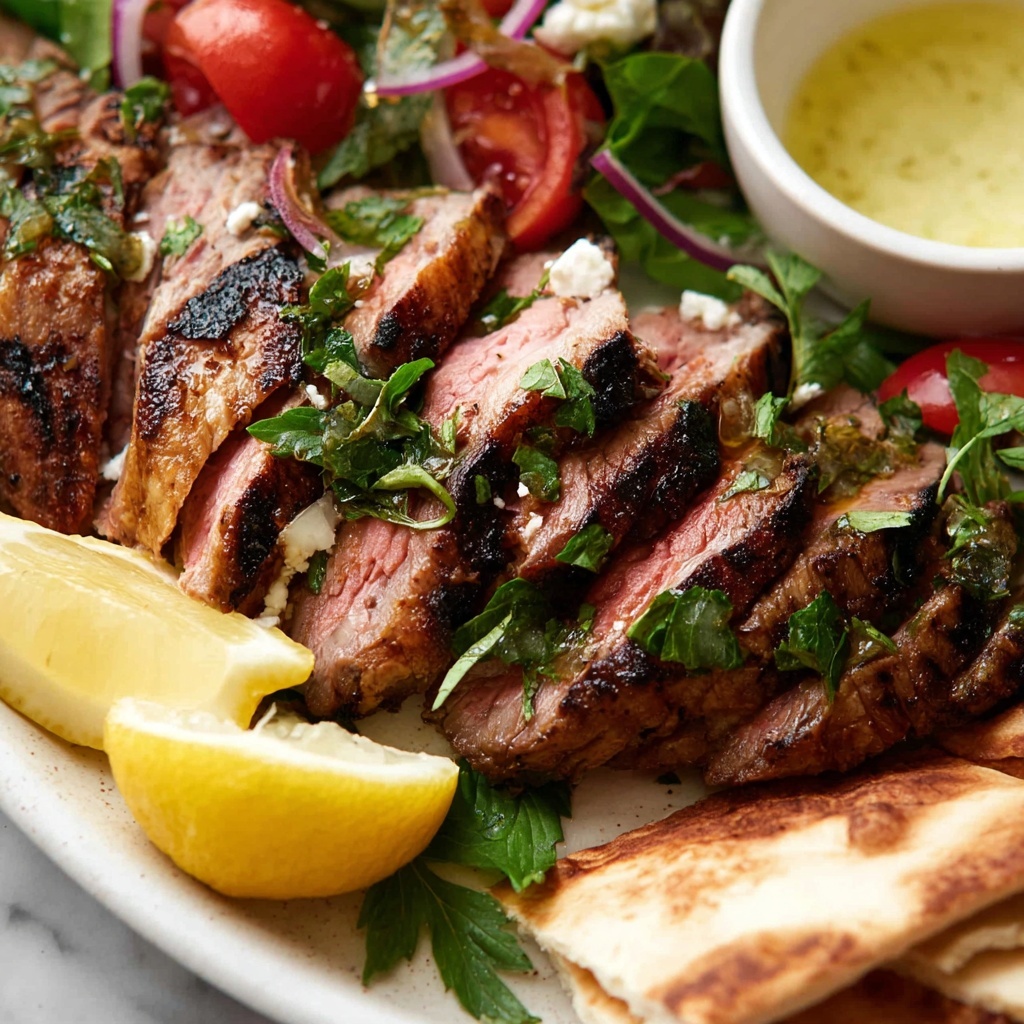
Slice the lamb thinly against the grain to maximize tenderness. The slices are perfect to pile onto flatbreads with fresh tzatziki and a spoonful of Greek salad, or simply enjoy on their own with a squeeze of lemon.
How to Serve Greek Butterflied Lamb Leg Recipe
Garnishes
Freshly sliced lemons and sprigs of oregano make beautiful, aromatic garnishes that complement the bold flavors of the lamb. They also provide an eye-catching plate presentation that invites you to dig in.
Side Dishes
Traditional Greek sides like a crisp Greek salad packed with cucumbers, tomatoes, red onions, and olives, along with creamy tzatziki, bring balance and freshness. Flatbreads or pita allow you to make flavorful wraps, turning this dish into a casual, festive feast.
Creative Ways to Present
For a stylish dinner party, lay thin slices of lamb on a wooden board alongside bowls of tzatziki, olives, roasted vegetables, and warm pita, encouraging guests to build their own bites. Alternatively, serve the lamb over a bed of herbed couscous or grilled vegetables for an elegant plated meal.
Make Ahead and Storage
Storing Leftovers
Place any leftover lamb in an airtight container and refrigerate for up to three days. The flavors actually deepen overnight, making for excellent cold slices in wraps or salads the next day.
Freezing
You can freeze cooked lamb slices wrapped tightly in foil and stored in a freezer-safe bag for up to three months. Thaw in the fridge overnight before reheating.
Reheating
To keep the lamb moist, reheat gently in a low oven (about 150°C/300°F) covered with foil or warm briefly in a skillet with a splash of water or broth. Avoid overheating as lamb can quickly dry out.
FAQs
Can I use a bone-in lamb leg for this recipe?
While boneless butterflied lamb is preferred for even marinating and cooking, you can use a bone-in leg. Just allow for longer cooking times and adjust marinating to let flavors penetrate more deeply.
What is the purpose of butterflying the lamb leg?
Butterflying the lamb leg creates a flatter, more uniform piece of meat that cooks evenly and absorbs the marinade better, enhancing tenderness and flavor throughout.
How long should I marinate the lamb?
Although the minimum marinating time is 3 hours, overnight marination—up to 24 hours—will give you the most intense flavor and tenderest results.
Can I cook this lamb indoors?
Absolutely! Use a heavy skillet or grill pan to sear the lamb on the stovetop. Finish in the oven if needed for even cooking. This approach works well when outdoor grilling isn’t an option.
What wine pairs well with Greek Butterflied Lamb Leg Recipe?
A medium-bodied red like a Syrah or a Greek Agiorgitiko complements the herbs and richness of the lamb beautifully. For a white option, a crisp Assyrtiko offers refreshing acidity alongside this flavorful meat.
Final Thoughts
Trust me when I say this Greek Butterflied Lamb Leg Recipe is a guaranteed crowd-pleaser that brings timeless Greek flavors right to your table with effortless style. Its juicy, aromatic profile makes each bite a delight worth sharing, and once you try it, it will undoubtedly become one of your cherished dishes to make again and again. So grab that lamb leg and let the magic of Greece brighten your next meal!
Print
Greek Butterflied Lamb Leg Recipe
- Prep Time: 5 minutes
- Cook Time: 25 minutes
- Total Time: 24 hours 30 minutes
- Yield: 8+ servings
- Category: Main Course
- Method: Grilling
- Cuisine: Greek
Description
This Greek Butterflied Lamb Leg recipe offers a flavorful and tender lamb experience, marinated with oregano, garlic, lemon, and olive oil, then grilled to perfection. Perfect for gatherings, it pairs wonderfully with flatbreads, tzatziki, and Greek salad for a complete Mediterranean meal.
Ingredients
For the Lamb Marinade
- 1.5 – 1.8 kg (3 – 3.6 lb) butterflied (boneless) lamb leg
- 1 tbsp dried oregano
- 3 large garlic cloves, minced using garlic press
- 2 tsp salt
- 1 tsp black pepper
- 1/3 cup fresh lemon juice
- 1 tbsp lemon zest (from 1 lemon)
- 1/2 cup olive oil
- 1 tbsp oil (for brushing BBQ or stove sear)
For Serving
- Lemon wedges, for garnish
- Oregano leaves, optional garnish
- Flatbreads or store-bought pita breads
- Greek Salad
- Tzatziki sauce
Instructions
- Prepare the Marinade: In a large ziplock bag, combine the dried oregano, minced garlic, salt, black pepper, fresh lemon juice, lemon zest, and olive oil. Mix well to create a uniform marinade.
- Marinate the Lamb: Add the butterflied lamb leg to the bag. Massage the bag thoroughly to ensure the marinade penetrates all cracks and crevices of the meat.
- Marinating Time: Seal the bag and refrigerate, marinating the lamb for at least 3 hours, ideally for 24 hours, to allow maximum flavor absorption.
- Bring to Room Temperature: Remove the lamb from the refrigerator one hour before cooking to take the chill off, ensuring even cooking during grilling.
- Preheat the Grill and Prepare Lamb: Preheat your BBQ grill to medium-high heat. Brush the grill grates with oil to prevent sticking. Remove the lamb from the marinade, letting excess drip off, and brush the lamb lightly with the additional oil.
- Grill the Lamb: Place the lamb on the grill, skin side down if there is any fat layer, and cook for approximately 8-12 minutes per side, or until the internal temperature reaches about 130-135°F (54-57°C) for medium-rare, adjusting time for desired doneness.
- Rest and Serve: Once cooked, transfer the lamb to a cutting board and let it rest for 10 minutes to allow juices to redistribute. Slice the lamb thinly and serve garnished with lemon wedges and oregano leaves alongside flatbreads, Greek salad, and tzatziki.
Notes
- Butterflying the lamb leg allows for even cooking and quicker grilling time.
- Marinating for at least 3 hours is essential, but 24 hours gives the best flavor penetration.
- Use a meat thermometer to check doneness for perfectly cooked lamb.
- If you don’t have a grill, you can sear the lamb in a heavy skillet over medium-high heat and finish in the oven at 400°F for 10-15 minutes.
- Leftover lamb can be used in wraps, salads, or sandwiches.