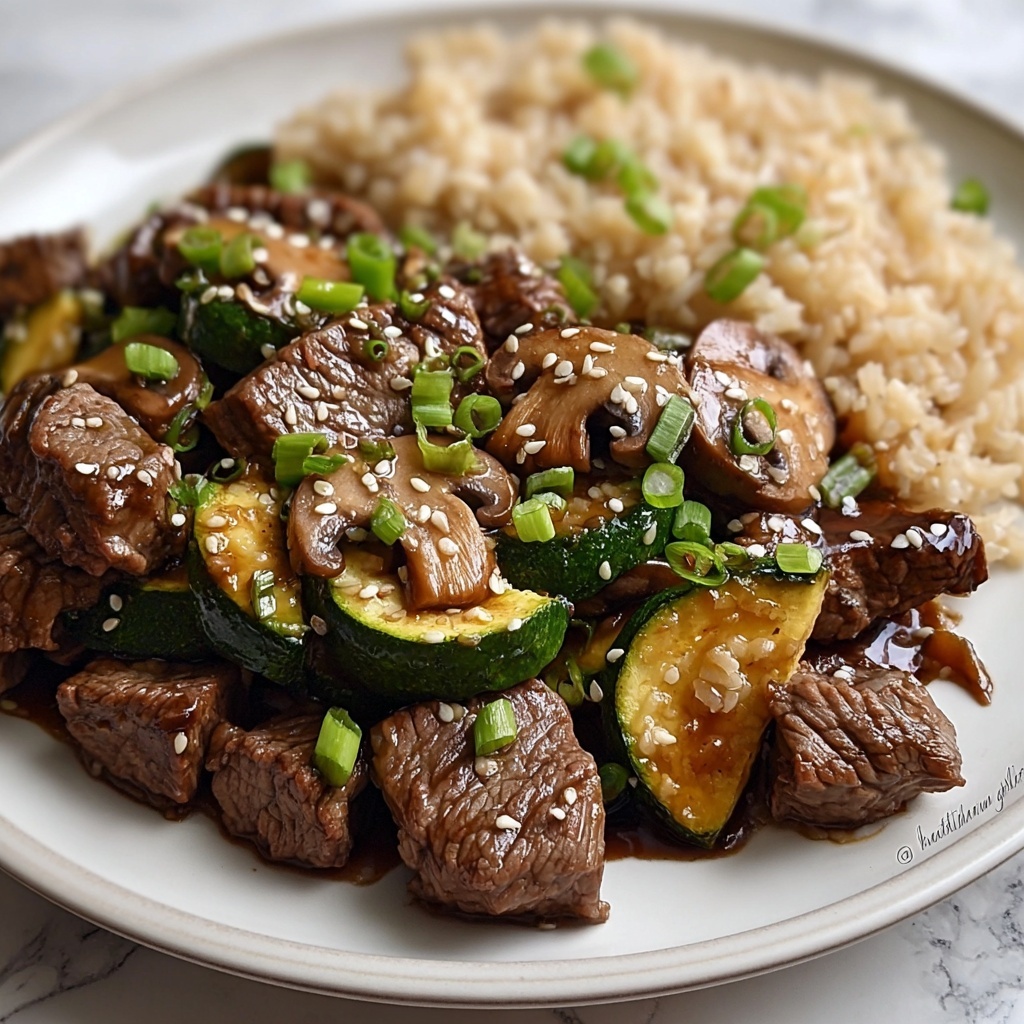
If you’re craving a meal that’s bursting with flavor, vibrant colors, and that perfect mix of tender steak and crisp veggies, you absolutely need to try this Hibachi Steak Recipe. This dish brings the excitement of a Japanese hibachi grill right to your kitchen with juicy steak bites seared beautifully and tossed with a savory, slightly sweet sauce that clings to mushrooms, onions, and zucchini. It’s quick to whip up, impressively satisfying, and perfect for sharing with friends or family when you want that restaurant experience without leaving home.
Ingredients You’ll Need
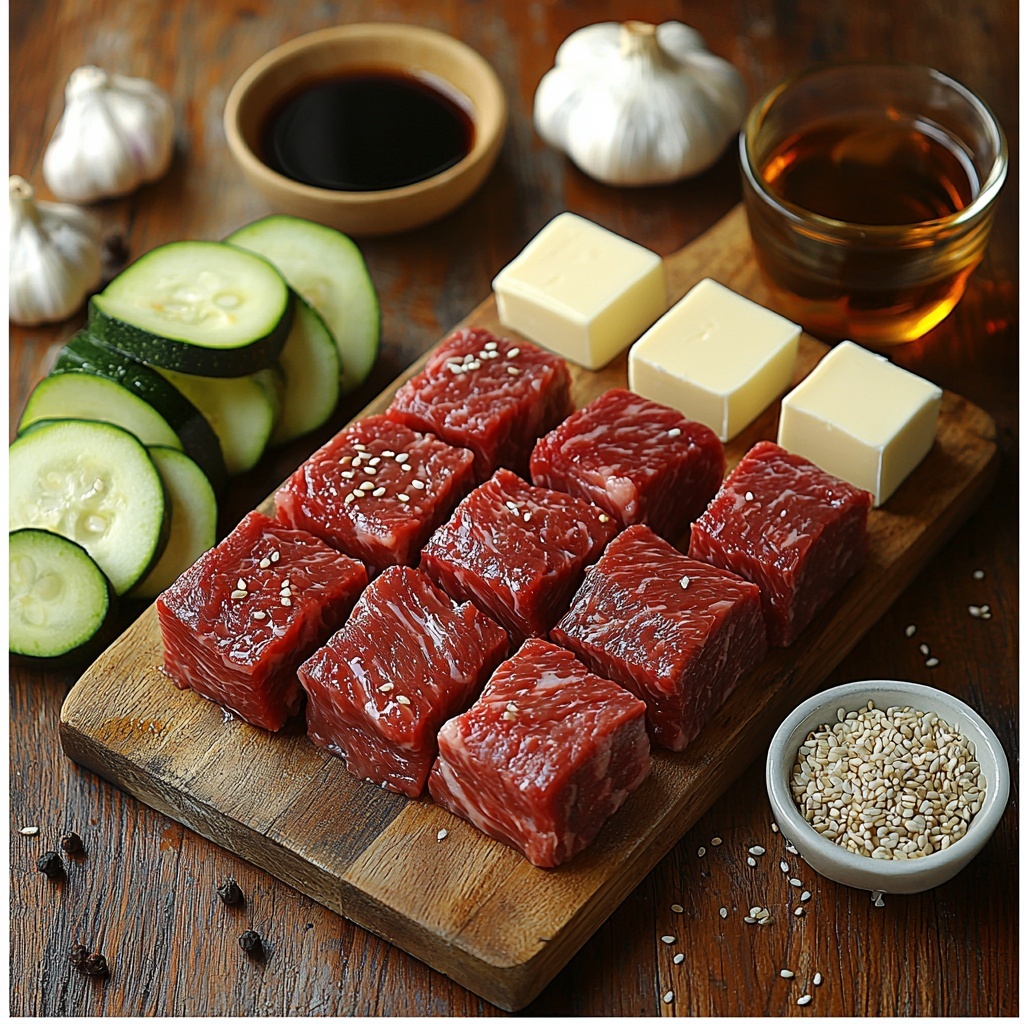
Simple ingredients come together in harmony to deliver the iconic taste and texture that makes this Hibachi Steak Recipe so special. Each element plays a crucial role, from the meat’s rich flavor to the fresh crispness of the vegetables, balanced perfectly by the buttery, garlicky sauce.
- 1 pound sirloin or NY strip steak, cut into bite-sized pieces: Choose a tender cut for juicy, flavorful bites that cook quickly.
- 2 tablespoons vegetable oil, divided: Neutral oil for searing without overpowering the natural flavors.
- 1 teaspoon sesame oil: Adds a subtle nutty aroma essential for that authentic hibachi feel.
- 8 ounces white mushrooms, sliced: Bring earthiness and a tender bite to complement the steak.
- 1 large onion, sliced: Adds sweetness and texture when caramelized slightly.
- 2 zucchini, cut into 1/2-inch sticks: Provides freshness and a slight crunch to the dish.
- 2 tablespoons butter, divided: Imparts richness and helps marry the garlic and veggies beautifully.
- 4 cloves garlic, minced: Infuses the dish with a fragrant, savory punch.
- 1/4 cup soy sauce: The salty, umami backbone of the sauce.
- 1 tablespoon rice vinegar: Balances out the flavors with a clean, tangy brightness.
- 1 teaspoon honey: Adds a touch of sweetness to round off the sauce.
- Salt and pepper to taste: Essential for seasoning and enhancing all the flavors.
- Sesame seeds and sliced green onions for garnish: These add texture and a fresh finish.
How to Make Hibachi Steak Recipe
Step 1: Season and Sear the Steak
Start by seasoning your steak pieces generously with salt and pepper. Heat a tablespoon of vegetable oil in a large skillet or wok over medium-high heat. When the oil is hot, add the steak and sear it for about 2 to 3 minutes on each side until you get a gorgeous brown crust. The quick sear locks in the juices, keeping each bite tender and flavorful. Once cooked, set the steak aside—don’t worry, it will reunite with the veggies soon!
Step 2: Sauté Mushrooms and Onions
Without cleaning the pan, add the remaining vegetable oil and a splash of sesame oil. Toss in the sliced mushrooms and onions, sautéing for about 4 to 5 minutes until they soften and start to caramelize. This step builds the aromatic foundation, bringing a sweet and savory depth that makes the hibachi experience so unforgettable.
Step 3: Add the Zucchini
Stir in the zucchini sticks and cook them for another 2 to 3 minutes. You want the zucchini to stay slightly crisp, adding a refreshing contrast to the tender mushrooms and onions.
Step 4: Garlic Butter Sauté
Push the veggies gently to one side of the pan and melt one tablespoon of butter on the cleared spot. Add the minced garlic and sauté until it becomes fragrant, about 30 seconds to a minute. The buttery garlic flavor suffuses everything, creating that irresistible scent that signals amazing food is on the way.
Step 5: Prepare and Pour the Sauce
In a small bowl, mix together the soy sauce, rice vinegar, and honey. Pour this mixture over the veggies in the skillet and stir well to coat everything evenly. The sauce will begin to sizzle and thicken slightly, clinging deliciously to every piece of vegetable and setting the stage for the steak’s return.
Step 6: Reintroduce the Steak and Simmer
Return the cooked steak pieces to the skillet, stirring gently so they soak up the sauce and combine with the vegetables. Let everything simmer together for 1 to 2 minutes, allowing the flavors to meld and the sauce to slightly thicken. This final step seals the magic, making sure every bite is juicy, flavorful, and perfectly coated.
How to Serve Hibachi Steak Recipe
Garnishes
Sprinkle toasted sesame seeds and finely sliced green onions right before serving. These simple garnishes add visual appeal, a bit of crunch, and a fresh burst of flavor that elevates the entire dish. Don’t skip this step—it’s the finishing touch that brings your Hibachi Steak Recipe truly to life.
Side Dishes
This dish shines when paired with classic Japanese sides like steamed white rice or fried rice to soak up the luscious sauce. You could also serve it alongside a crisp cucumber salad or miso soup to round out the meal with complementary textures and flavors.
Creative Ways to Present
For a fun presentation, arrange the hibachi steak and veggies family-style on a large platter with lemon wedges for a citrusy zing. Or, serve it in individual bowls over cauliflower rice or quinoa for a lighter twist. Either way, this Hibachi Steak Recipe will dazzle your guests and make your dinner table look as good as it tastes.
Make Ahead and Storage
Storing Leftovers
If you have any leftovers (which might be unlikely because it’s that delicious), store them in an airtight container in the refrigerator. The steak and veggies will stay fresh for up to 3 days, making for a quick reheat option when you need a fast meal.
Freezing
Freezing this Hibachi Steak Recipe isn’t ideal because the zucchini can become watery and mushy once thawed. However, you can freeze the cooked steak separately by wrapping it tightly; it will keep for up to 2 months. Just avoid freezing the veggies to maintain the best texture.
Reheating
Reheat leftovers gently in a skillet over medium heat to avoid overcooking the steak. Stir occasionally and add a splash of water or broth if the sauce has thickened too much. Microwave reheating works too but be careful not to dry out the steak by heating in short intervals and covering the food.
FAQs
What cut of steak is best for Hibachi Steak Recipe?
Sirloin or New York strip steak are excellent choices because they’re tender, flavorful, and cook quickly. These cuts keep the steak juicy without becoming tough during the searing process.
Can I use different vegetables in this recipe?
Absolutely! Feel free to swap zucchini with bell peppers, broccoli, or snap peas depending on your preference and what’s in season. The key is to maintain a balance of textures and flavors complementing the steak.
Is sesame oil necessary?
While you can omit or reduce it if you’re not a fan, sesame oil adds that signature nutty aroma important for the authentic hibachi flavor profile. Just a small amount goes a long way.
Can I make this recipe gluten-free?
Yes! Simply replace regular soy sauce with a gluten-free tamari or coconut aminos to keep the sauce gluten-free without compromising taste.
How do I achieve the perfect sear on the steak?
Make sure the pan or wok is hot before adding the steak, and don’t overcrowd the pan to ensure even browning. Cooking the steak in batches if necessary will give you that classic hibachi crust that seals in juices.
Final Thoughts
This Hibachi Steak Recipe is a delicious way to bring the excitement and flavors of hibachi-style cooking right into your home kitchen without any fancy equipment. It’s quick, tasty, and perfect for sharing with loved ones on any night of the week. Give it a try and watch how this dish becomes a new favorite in your recipe rotation—trust me, once you make it, you’ll want to make it again and again.
Print
Hibachi Steak Recipe
- Prep Time: 10 minutes
- Cook Time: 15 minutes
- Total Time: 25 minutes
- Yield: 4 servings
- Category: Main Course
- Method: Stovetop
- Cuisine: Japanese-American
Description
A quick and flavorful Hibachi Steak recipe featuring tender sirloin or NY strip steak pieces sautéed with fresh vegetables in a savory soy-based sauce, garnished with sesame seeds and green onions. Perfect for a delicious stir-fry meal ready in just 25 minutes.
Ingredients
Steak and Marinade
- 1 pound sirloin or NY strip steak, cut into bite-sized pieces
- Salt and pepper to taste
- 1/4 cup soy sauce
- 1 tablespoon rice vinegar
- 1 teaspoon honey
Vegetables and Aromatics
- 8 ounces white mushrooms, sliced
- 1 large onion, sliced
- 2 zucchini, cut into 1/2-inch sticks
- 4 cloves garlic, minced
Oils and Butter
- 2 tablespoons vegetable oil, divided
- 1 teaspoon sesame oil
- 2 tablespoons butter, divided
Garnish
- Sesame seeds
- Sliced green onions
Instructions
- Season and Sear Steak: Season the steak pieces generously with salt and pepper. Heat 1 tablespoon of vegetable oil in a large skillet or wok over medium-high heat. Cook the steak for 2-3 minutes on each side until browned and cooked to your preference. Remove the steak from the pan and set aside.
- Sauté Mushrooms and Onions: In the same pan, add the remaining 1 tablespoon vegetable oil and the teaspoon of sesame oil. Add sliced mushrooms and onions, sautéing them for about 4-5 minutes until softened and slightly caramelized.
- Add Zucchini: Incorporate the zucchini sticks into the pan with the mushrooms and onions. Cook for an additional 2-3 minutes until the zucchini is tender-crisp.
- Sauté Garlic in Butter: Push the cooked vegetables to one side of the pan. On the empty side, melt 1 tablespoon of butter and add the minced garlic. Sauté the garlic until fragrant, about 30 seconds to 1 minute, being careful not to burn.
- Create Sauce and Combine: In a small bowl, mix together the soy sauce, rice vinegar, and honey. Pour this sauce into the pan with the vegetables and garlic, stirring to combine all ingredients.
- Return Steak and Simmer: Return the cooked steak pieces to the pan. Stir everything well to coat the steak and vegetables in the sauce. Let simmer for about 1-2 minutes until the sauce slightly thickens.
- Finish and Garnish: Stir in the remaining 1 tablespoon of butter for a silky finish. Remove from heat, garnish with sesame seeds and sliced green onions, and serve immediately.
Notes
- Use a high smoke point oil like vegetable oil to properly sear the steak without burning.
- Cut vegetables evenly to ensure uniform cooking.
- Adjust honey amount to balance the soy sauce saltiness to your taste.
- This dish pairs well with steamed rice or fried rice for a complete meal.
- For thicker sauce, allow it to reduce a little longer during simmering time.