There is something wonderfully satisfying about mastering How to Chop Butternut Squash for Roasting or Recipes Recipe. This versatile vegetable transforms into tender, caramelized bites that bring warmth to any dish. If you’ve ever felt intimidated by the intimidating shape or tough skin of butternut squash, I’m here to guide you through the entire process with ease and confidence. Whether roasting it to perfection or prepping it for a recipe, these steps will make you look like a kitchen pro in no time.
Ingredients You’ll Need
To get started with this technique, you really only need one main ingredient. But don’t underestimate the power of simplicity—this single item provides incredible flavor and texture that make your final dish shine.
- Butternut squash: Choose a firm, medium-sized squash with smooth skin and a deep tan color to ensure it’s ripe and ready to cook.
How to Make How to Chop Butternut Squash for Roasting or Recipes Recipe
Step 1: Peel Your Butternut Squash
Begin by peeling the butternut squash until you reveal the bright orange flesh beneath. Sometimes one layer of peeling isn’t enough, so keep going until you see consistent orange all around. This ensures that you remove the tough, bitter outer skin and get to the tender heart of the squash.
Step 2: Prepare Your Workspace and Tools
Place a cutting board on a towel or Silpat to prevent slipping, and grab your biggest, sharpest chef’s knife. This is a job that definitely calls for a sharp blade, so don’t skimp here! If you have little ones or pets around, give yourself some peace and quiet; this step requires focus and space.
Step 3: Slice the Squash in Half Vertically
With the squash standing upright, carefully cut it down the center from top to bottom. This vertical slice allows you to access the seed cavity inside, which is essential for the next step.
Step 4: Scoop Out the Seeds
Using a canning jar lid or a spoon, scrape out the seeds and stringy pulp inside each half. The canning lid works wonders, as its edge helps you separate the fibrous strands without tearing into the flesh.
Step 5: Trim the Ends
Lay each half flat on the board and slice off both the stem end and the narrow bottom end, sometimes humorously called the “nobby” end.
Step 6: Divide into Quarters Crosswise
Next, cut each half through the middle crosswise, effectively quartering your squash. You’ll now have four sections: two long, slender top pieces and two bulbous bottom pieces containing the seed cavity.
Step 7: Cut Long Lengthwise Slices
For each quarter, slice lengthwise into strips while keeping them standing upright if possible. This step helps maintain control as you chop further.
Step 8: Chop the Bottom Halves into Bite-Sized Pieces
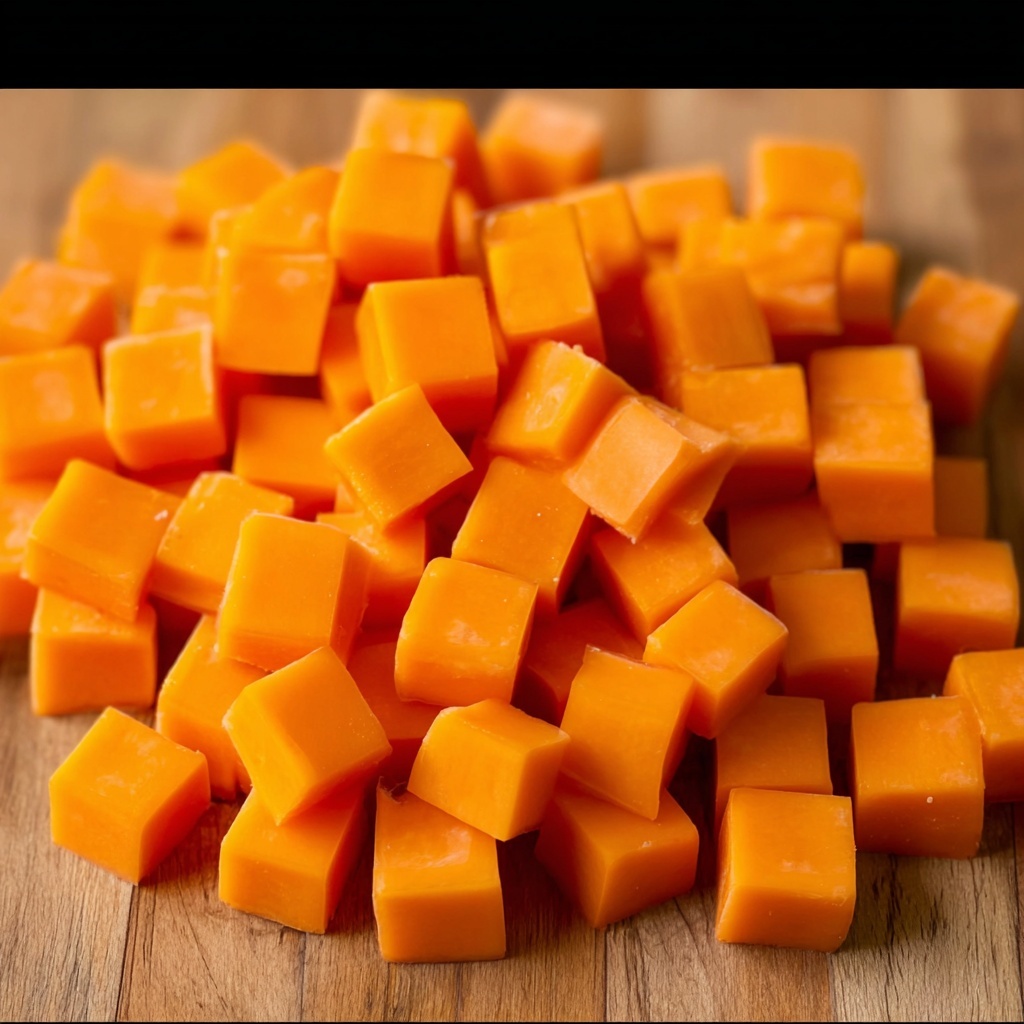
The bottom halves with the seed cavity can be a bit unstable standing upright, so lay them on their sides and chop these strips into chunks about the size of bite-sized roasting pieces.
Step 9: Continue Slicing the Top Halves
For the slender top quarters, keep the slices upright and proceed to the next cuts.
Step 10: Create a Grid Pattern
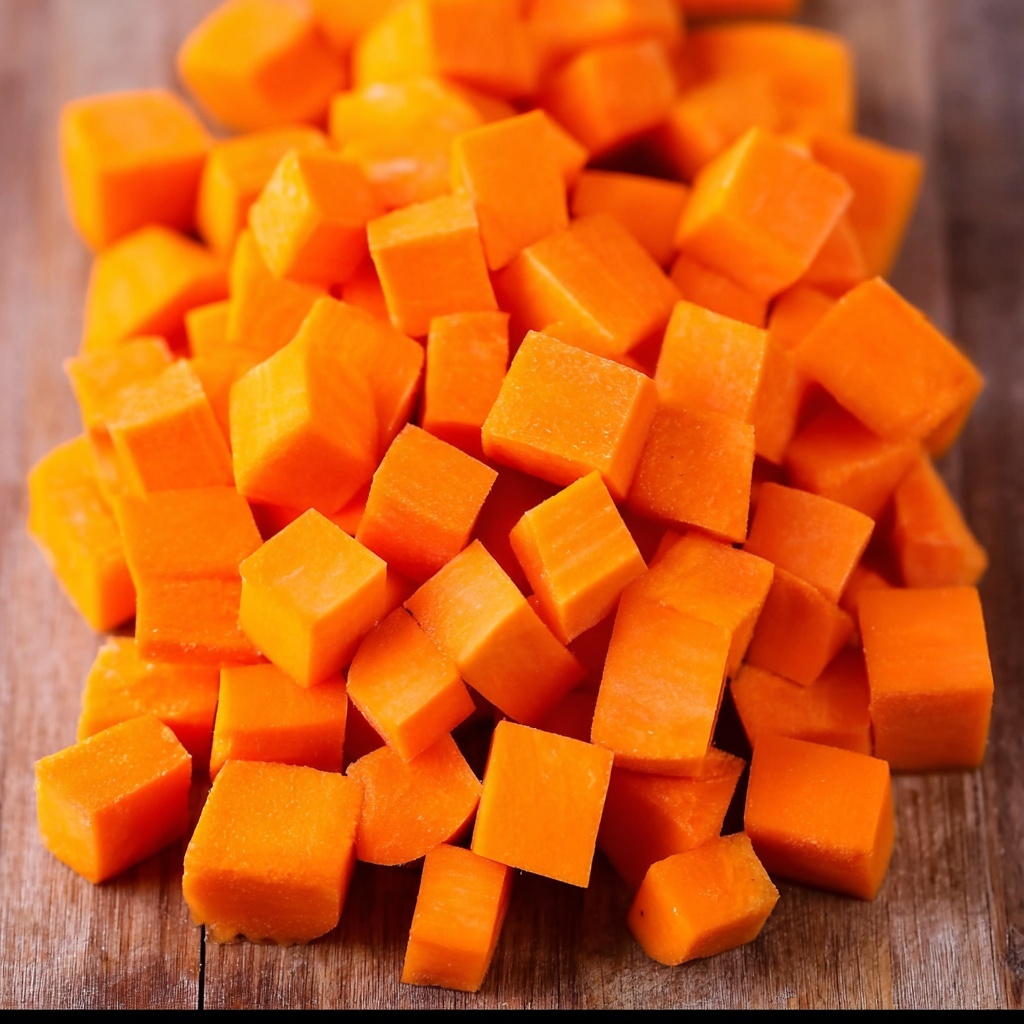
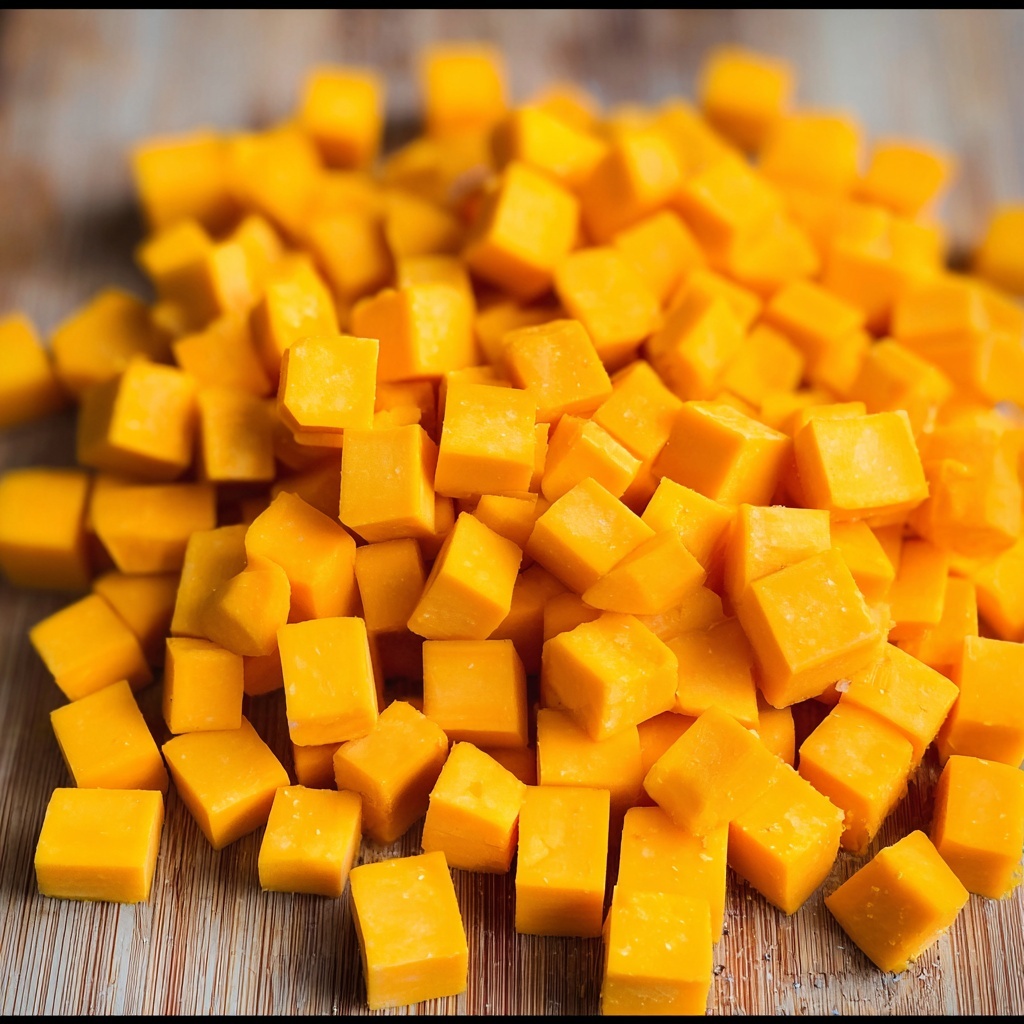
Slice the lengthwise strips across the other way to create a neat grid of uniform pieces. This helps achieve even roasting.
Step 11: Final Dice
Lay the long skinny pieces flat and cut them into halves or thirds to have uniformly sized chunks that will cook evenly.
Step 12: Ensure Uniformity
Give your pieces a quick visual check, adjusting any that are too large so that all chunks roast at the same perfect rate.
Step 13: Ready for Roasting
Spread your chopped butternut across two sheet pans with space in between the pieces. Drizzle with around 1 and 1/2 teaspoons of oil and sprinkle 3/4 teaspoon of salt on each pan. Roast in a 450°F oven for about 30 minutes until the edges caramelize beautifully.
Step 14: Enjoy in Your Favorite Recipes
This chopped roasted butternut squash makes an incredible addition to things like lasagna, salads, or even as a sweet and savory snack right out of the oven.
How to Serve How to Chop Butternut Squash for Roasting or Recipes Recipe
Garnishes
A sprinkle of fresh herbs like sage or thyme adds an aromatic touch to roasted butternut squash, making every bite feel fresh and flavorful. A drizzle of maple syrup or a dash of smoked paprika also complements the natural sweetness.
Side Dishes
This versatile veggie pairs wonderfully with roasted meats, grains like quinoa or farro, or even tossed into warm winter salads to add color and texture.
Creative Ways to Present
Try pureeing your roasted butternut squash for soups or spreads, or layer it in casseroles and lasagna for a deeper flavor and vibrant layers that wow your dinner guests.
Make Ahead and Storage
Storing Leftovers
Store any leftover chopped butternut squash in an airtight container in the refrigerator. It should stay fresh for up to 4 days, so you can quickly reheat it or toss it into your next meal.
Freezing
If you want to keep your chopped squash longer, freeze it on a baking sheet first, then transfer the frozen pieces into a freezer bag. This keeps them separate and easy to grab for future use.
Reheating
Reheat roasted butternut squash gently in a skillet or oven to help maintain its caramelized edges and avoid sogginess that sometimes happens with the microwave.
FAQs
Is it necessary to peel butternut squash before chopping?
While the skin of butternut squash is technically edible when cooked long enough, most recipes call for peeling to remove the tough exterior and improve texture. Peeling helps the squash cook evenly and makes it more pleasant to eat.
Can I use a regular spoon to scrape the seeds?
You certainly can, but a canning jar lid often makes the task easier because its edge cuts through the stringy pulp more efficiently. Of course, a spoon works just fine if that’s what you have on hand.
How sharp should my knife be for chopping butternut squash?
Your knife should be very sharp. A dull knife makes the process unsafe and much more difficult since butternut squash has a tough skin and dense flesh. A sharp chef’s knife will cut cleanly and precisely.
Why split the squash into quarters and slices instead of cutting randomly?
Quartering and slicing systematically helps you achieve uniform pieces that cook evenly. It also makes handling the squash safer and easier by creating manageable chunks at each step.
Can I prepare chopped butternut squash ahead of time?
Absolutely! You can chop it a day or two before cooking and store it in the fridge, or freeze the pieces to save for later dishes. Just keep them in airtight containers to prevent drying out.
Final Thoughts
Learning How to Chop Butternut Squash for Roasting or Recipes Recipe is such a kitchen win—once you get the hang of it, you open the door to a world of comforting meals filled with sweet, roasted goodness. Don’t be intimidated by its shape or thickness; with these steps, you’ll chop your butternut squash like a pro and add so much flavor and texture to your cooking adventures. Give it a try, and I promise you’ll keep coming back for more!
Print
How to Chop Butternut Squash for Roasting or Recipes Recipe
- Prep Time: 10 minutes
- Cook Time: 30 minutes
- Total Time: 40 minutes
- Yield: 6 servings
- Category: Side Dish
- Method: Roasting
- Cuisine: American
- Diet: Vegetarian
Description
This detailed guide shows you how to properly peel, cut, and chop a butternut squash for roasting or other recipes. It provides step-by-step instructions to create uniform pieces perfect for even cooking, especially ideal for roasting or using in dishes like Butternut Squash Lasagna.
Ingredients
Ingredients
- 1 butternut squash
- 1 1/2 teaspoons oil (for roasting)
- 3/4 teaspoon salt (for roasting)
Instructions
- Peel the Butternut Squash: Start by peeling your butternut squash thoroughly until you see the bright orange flesh all around, removing any white outer layer.
- Prepare Your Work Surface: Place a cutting board on a towel or Silpat to prevent slipping. Use a large, sharp chef’s knife for cutting. Clear the kitchen area to avoid interruptions.
- Halve the Squash: Slice the butternut squash vertically down the center to create two halves.
- Remove Seeds and Pulp: Use a canning lid to scrape out seeds and pulp from the cavity, as it has sharper edges and is more effective than a spoon.
- Optional Whole Roasting: If you plan to roast the whole butternut squash for soup or another recipe, you can stop here.
- Trim the Ends: Lay the squash flat side down and slice off both the top stem end and bottom nobby end.
- Quarter the Squash: Cut each half in half crosswise (hamburger style), separating the bulbous bottom from the lengthy top half.
- Slice Lengthwise: Slice each quarter lengthwise into long pieces, trying to keep the slices upright in their original arrangement.
- Chop Bottom Half: For the bulbous bottom halves with the cavity, lay slices on their sides and chop into bite-sized pieces as they won’t stand upright well.
- Prepare Top Half: Keep the long slices upright as much as possible.
- Crosswise Slicing: Slice the long pieces crosswise so the pieces form a grid pattern from above.
- Final Chopping: Lay long, skinny pieces on their sides and chop them into halves or thirds for uniform bite-sized chunks.
- Ensure Uniformity: Make sure all chopped pieces are roughly the same size for even cooking.
- Roast the Squash: Spread the chopped squash onto two sheet pans to avoid overcrowding. Toss with 1 1/2 teaspoons oil and 3/4 teaspoon salt on each pan. Roast at 450°F (232°C) for about 30 minutes until tender and caramelized.
- Serving Suggestion: Use the roasted butternut squash in dishes like Butternut Squash Lasagna for a delicious meal.
Notes
- Use a sharp knife for safer and easier cutting.
- Clear your workspace of distractions for safety.
- A canning lid is excellent for scooping out seeds and stringy pulp.
- Try to cut uniform pieces to ensure even cooking during roasting.
- Roasting brings out the natural sweetness of butternut squash.
- Leftover roasted squash can be used in soups, salads, or pasta dishes.
- Adjust seasoning according to taste when roasting.