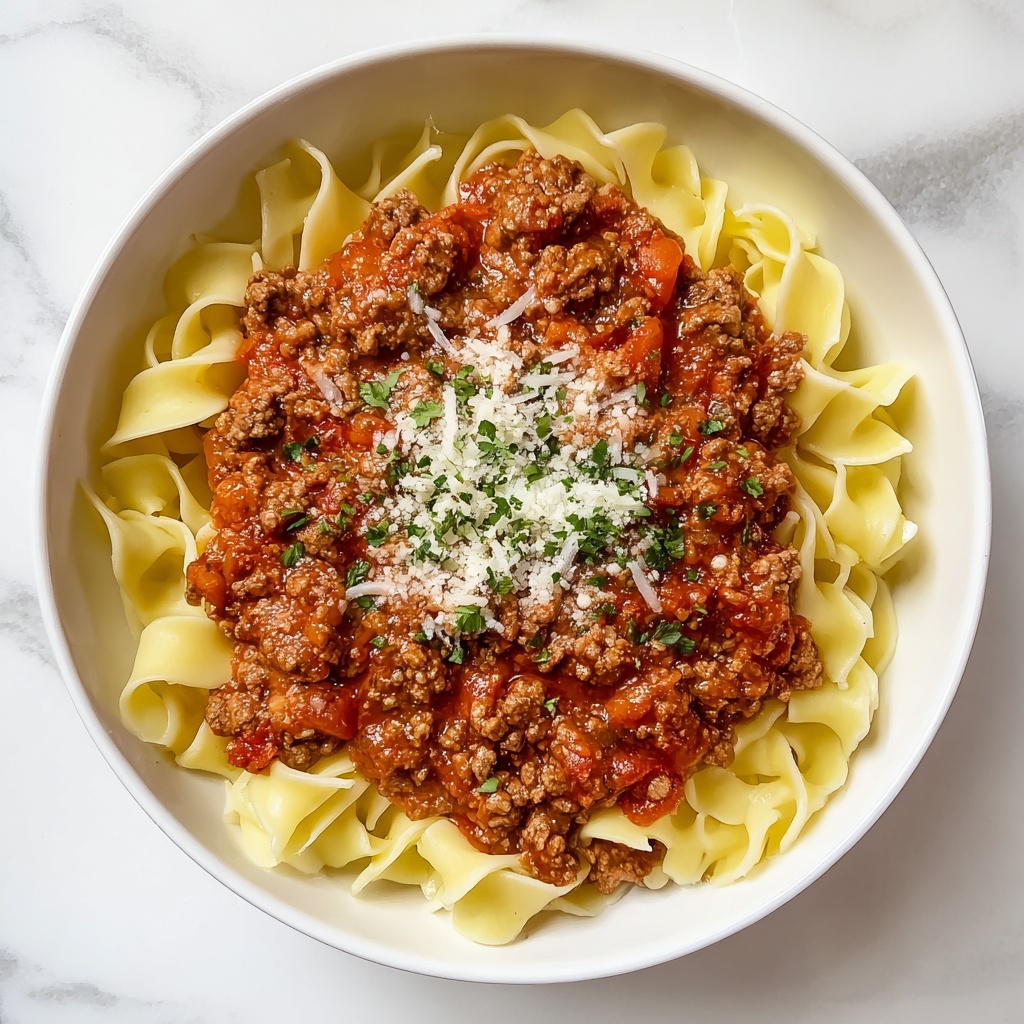
If you have ever wondered How to Make Classic Bolognese Sauce Recipe, you are about to discover a time-honored Italian favorite bursting with rich flavors and comforting textures. This sauce, simmered low and slow, transforms humble ingredients like ground beef, fresh vegetables, and tomatoes into a deeply satisfying dish that feels like a warm hug on a plate. Whether you serve it over pasta or use it in lasagna, learning this classic recipe will quickly become a cooking milestone you’ll want to revisit again and again.
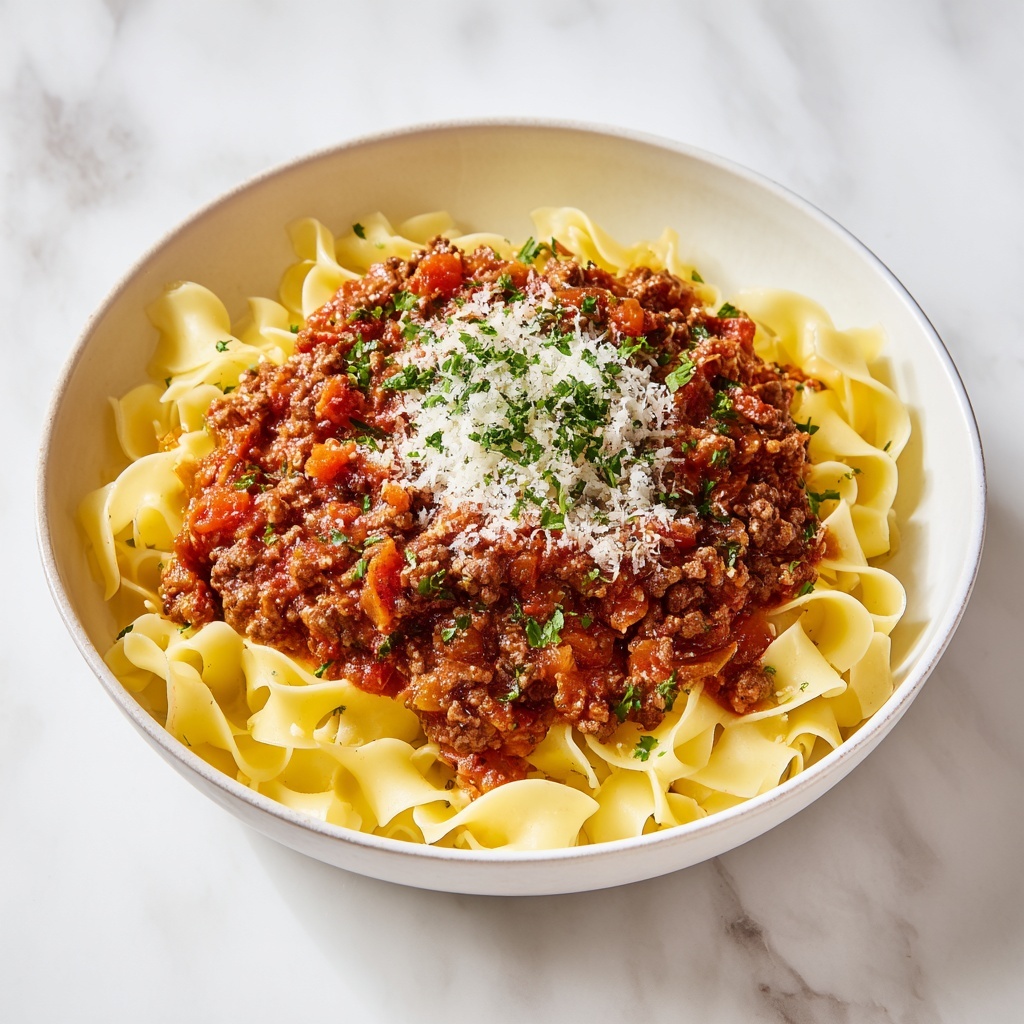
Ingredients You’ll Need
To make this classic Bolognese sauce, you’ll rely on a handful of simple yet essential ingredients, each playing a crucial role in flavor and texture. The balance of butter and olive oil creates the perfect cooking base, while fresh vegetables add sweetness and depth. Meat lends heartiness, milky richness softens the bite, wine brings acidity and complexity, and tomatoes provide that iconic tangy body to the sauce.
- Butter: Adds creaminess and helps soften vegetables as a flavorful fat base.
- Olive oil: Used alongside butter for a subtle fruity note and smooth texture.
- Onion: Provides natural sweetness and aromatic depth when finely diced.
- Celery: Adds crisp freshness and balances richness.
- Carrot: Brings subtle sweetness and vibrant color to the soffritto base.
- Salt: Enhances all other flavors and helps tenderize the meat.
- Ground beef: The hearty protein that gives Bolognese its characteristic texture.
- Ground nutmeg: Offers a mild warmth and unique spice note.
- Cayenne pepper: Adds a gentle kick to awaken the palate without overpowering.
- Freshly ground black pepper: Provides aromatic sharpness and spice.
- 2% milk: Tenderizes the meat and builds saucy richness.
- White wine: Adds acidity and depth while deglazing the pan.
- Whole Italian plum tomatoes: The heart of the sauce, preferably San Marzano for sweetness and low acidity.
- Water: Adjusts sauce consistency throughout the slow cooking process.
How to Make How to Make Classic Bolognese Sauce Recipe
Step 1: Start the Base
Begin by warming butter and olive oil in a large pot over medium heat. Add the finely diced onion, celery, and carrot along with a pinch of salt. This “soffritto” is the aromatic foundation of your sauce. Cook slowly until the vegetables soften and turn a gentle golden color — this step, taking about 10 minutes, lets their natural sweetness bloom and creates that irresistible flavor depth.
Step 2: Add the Beef
Toss in the ground beef, breaking it up with your spoon as it browns evenly. Season the mixture with salt, nutmeg, cayenne pepper, and freshly ground black pepper. This seasoning layer is subtle but critical, giving the meat complexity while balancing the eventual acidity from the tomatoes. Continue cooking until the beef is no longer pink, making sure to stir often for even browning.
Step 3: Enrich with Milk
Pour in the milk next and gently simmer until mostly absorbed, stirring occasionally. This step is a traditional secret that tenderizes the meat and adds luscious richness to the sauce’s body. The milk keeps the beef moist and smooth, providing a mellow counterpoint to the savory spices and acidity that follow.
Step 4: Deglaze with Wine
Now it’s time for the wine. Add the white wine to the pot and let it simmer until nearly all the liquid evaporates. This technique, called deglazing, lifts all the caramelized bits from the bottom of the pan and infuses the sauce with a layer of sharp, fruity brightness that balances the creaminess of the milk and butter perfectly.
Step 5: Add Tomatoes
Take the whole canned Italian plum tomatoes—preferably San Marzano varieties for their natural sweetness—and crush them by hand or pulse lightly in a blender. Stir these into the pot, and gradually add water to loosen the sauce to a luscious, pourable consistency. This addition turns the meat mixture into a robust, tangy sauce destined to coat pasta or enrich baked dishes beautifully.
Step 6: Low and Slow
Turn the heat down to very low and let the sauce simmer uncovered for 2 to 3 hours. Stir occasionally and add more water if needed to keep a silky, saucy texture. This slow cooking process melds the flavors and tenderizes every morsel of beef, creating a deeply satisfying, slightly thickened sauce that truly embodies what makes Bolognese unforgettable.
Step 7: Serve
Once your sauce has developed that perfect harmony of flavors, it’s ready to shine as a topping for your favorite pasta or in baked dishes like lasagna. Its rich and velvety texture clings beautifully to tagliatelle, pappardelle, or your go-to noodles, turning simple meals into memorable ones.
How to Serve How to Make Classic Bolognese Sauce Recipe
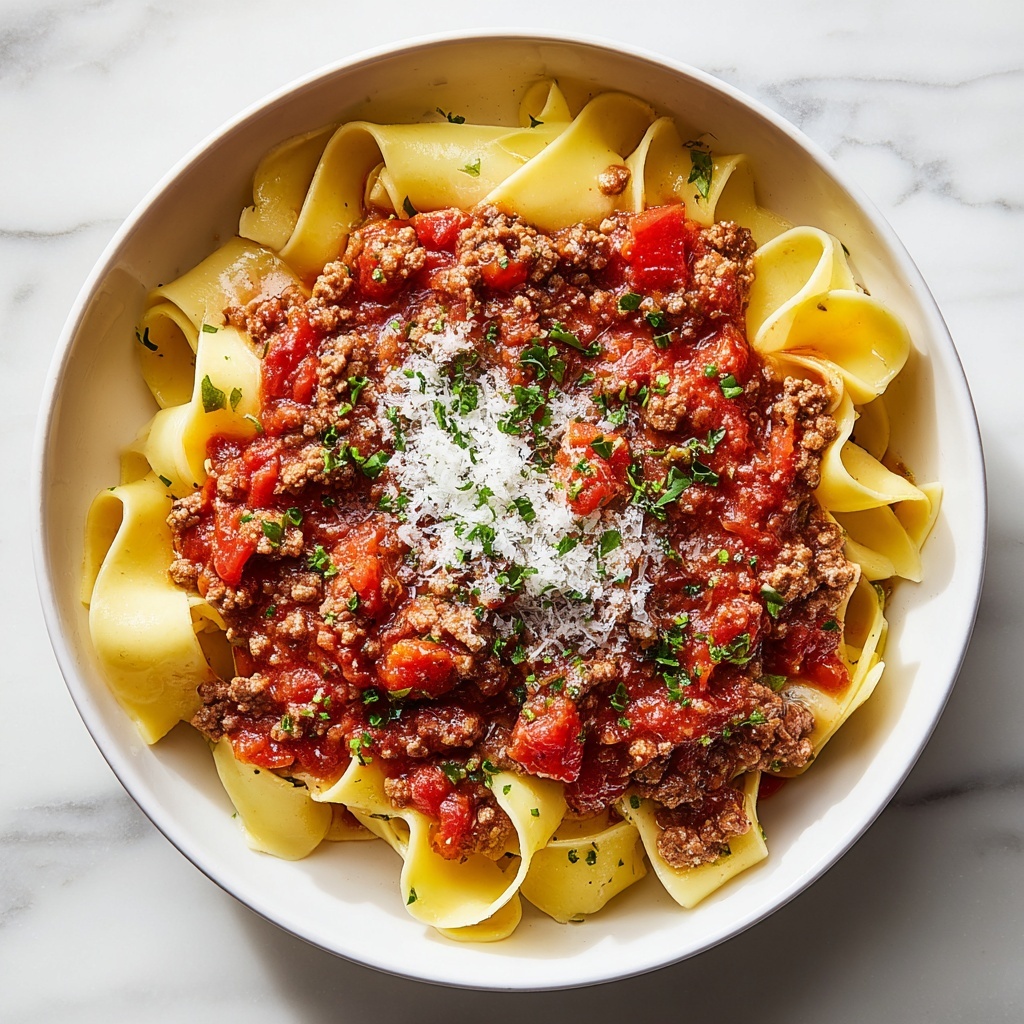
Garnishes
A sprinkle of freshly grated Parmigiano-Reggiano cheese is a must to finish your Bolognese. Adding a few fresh basil leaves or a light dusting of cracked black pepper can elevate the dish visually and flavor-wise, creating a pop of freshness that balances the rich sauce.
Side Dishes
This sauce pairs wonderfully with a crisp green salad dressed lightly with lemon and olive oil to cut through the richness. Crusty garlic bread or a warm focaccia also complement the savory meat sauce perfectly by offering a crunchy texture and robust flavor.
Creative Ways to Present
While classic over pasta is unbeatable, consider layering your Bolognese in a baked ziti or lasagna for a cozy, crowd-pleasing dinner. For a lighter twist, spoon the sauce over roasted spaghetti squash or stuff it into bell peppers. These creative presentations bring new life to a familiar favorite and impress with minimal extra effort.
Make Ahead and Storage
Storing Leftovers
Once cooled, transfer your Bolognese sauce into airtight containers and store in the refrigerator. It will keep well for up to 4 days, allowing you to enjoy those rich flavors without having to cook again.
Freezing
This sauce freezes beautifully. Portion it into freezer-safe containers or heavy-duty zip-top bags and freeze for up to 3 months. Just be sure to label your containers for easy identification later.
Reheating
Reheat gently on the stovetop over low heat, stirring occasionally and adding a splash of water if it has thickened too much. Avoid microwaving directly without stirring to maintain the sauce’s texture and flavor integrity.
FAQs
Can I use ground pork instead of beef for this Bolognese?
Absolutely! Ground pork—or even a mix of pork and beef—adds a lovely richness and slight sweetness that works wonderfully in Bolognese. Just adjust cooking times slightly if needed to ensure thorough browning.
Is it necessary to add milk to the sauce?
Yes, adding milk is traditional and important because it tenderizes the meat and smooths out the acidity from the tomatoes. Skipping the milk will result in a leaner, more acidic sauce, which might lack that velvety texture.
Can I make this sauce without wine?
If you prefer not to use wine, you can substitute with extra water or beef broth, but do keep in mind that wine adds a bright acidity and complexity that’s hard to replicate fully. A splash of vinegar might help mimic the acidity if needed.
What pasta pairs best with Classic Bolognese?
Wide, flat pasta like tagliatelle or pappardelle work best because their broad surfaces hold the thick sauce beautifully. However, you can also use rigatoni or even spaghetti if that’s what you have on hand.
How thick should the sauce be at the end?
It should be thick enough to coat a spoon generously without running off too fast, yet still saucy enough to cling well to pasta. Adjust with water during simmering to maintain this balance.
Final Thoughts
Mastering How to Make Classic Bolognese Sauce Recipe is a rewarding experience that brings Italian comfort right into your kitchen. There’s something truly special about the slow melding of flavors and the hearty yet nuanced taste that makes this sauce a forever favorite. So grab your ingredients, take your time, and enjoy every delicious moment of creating this timeless dish. Your taste buds will thank you!
Print
How to Make Classic Bolognese Sauce Recipe
- Prep Time: 20 minutes
- Cook Time: 2 hours 30 minutes
- Total Time: 2 hours 50 minutes
- Yield: 6 to 8 servings
- Category: Sauce
- Method: Stovetop
- Cuisine: Italian
Description
A classic Italian Bolognese sauce recipe featuring a rich blend of ground beef, vegetables, milk, wine, and tomatoes, simmered slowly to develop deep, hearty flavors perfect for pasta or baked dishes.
Ingredients
Base Ingredients
- 2 tbsp butter
- 1 tbsp olive oil
- 1 cup finely diced onion
- ½ cup finely diced celery
- ½ cup finely diced carrot
- Pinch of salt
Meat and Seasoning
- 1½ lbs ground beef
- 1½ tsp salt
- ⅛ tsp ground nutmeg
- Pinch of cayenne pepper (or to taste)
- Freshly ground black pepper to taste
Liquids and Tomatoes
- 1½ cups 2% milk
- 2 cups white wine
- 1 (28 oz) can whole Italian plum tomatoes (preferably San Marzano)
- 2 cups water (as needed)
Instructions
- Start the Base: In a large pot, heat butter and olive oil over medium heat. Add onion, celery, and carrot with a pinch of salt. Sauté until soft and golden, about 10 minutes.
- Add the Beef: Stir in ground beef, breaking it up as it browns. Season with salt, nutmeg, cayenne, and black pepper. Cook until no longer pink.
- Enrich with Milk: Pour in milk and simmer until mostly absorbed, stirring occasionally. This tenderizes the meat and builds richness.
- Deglaze with Wine: Add white wine and simmer until almost all the liquid evaporates, enhancing depth of flavor.
- Add Tomatoes: Crush tomatoes by hand or blend slightly, then stir into the sauce. Add water gradually to loosen the mixture to a saucy consistency.
- Low and Slow: Simmer uncovered on very low heat for 2 to 3 hours, stirring occasionally. Add water as needed to maintain a saucy texture.
- Serve: Toss with pasta or layer into your favorite baked dishes.
Notes
- Use San Marzano tomatoes for the best authentic flavor.
- Adjust cayenne pepper to your desired level of spiciness.
- Simmering the sauce slowly is key to deepening the flavor.
- You can prepare this sauce a day ahead as it tastes even better the next day.
- Serve with tagliatelle or your favorite pasta for a traditional experience.