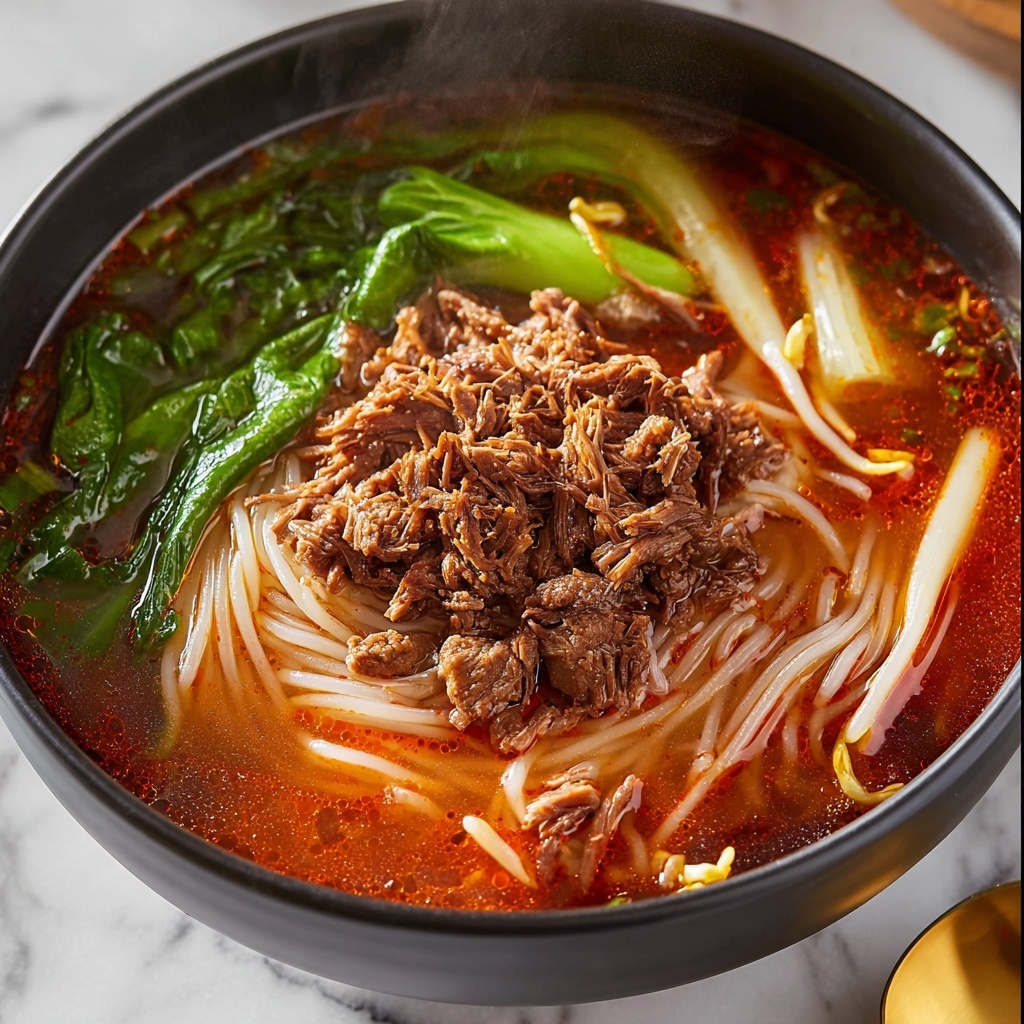
If you are craving a heartwarming bowl of authentic Korean comfort, this Korean Spicy Beef Vegetable Soup Recipe is an absolute must-try. It’s a delicious fusion of tender shredded brisket, vibrant vegetables, and that bold spicy kick only Korean chili flakes can bring. This soup is not only packed with layers of flavor but also boasts a wonderful texture contrast from the mix of rehydrated and fresh vegetables. Whether it’s a chilly evening or you simply want to dive into a cozy, nutritious dish, this recipe is easy to follow, wonderfully satisfying, and sure to become one of your kitchen favorites.
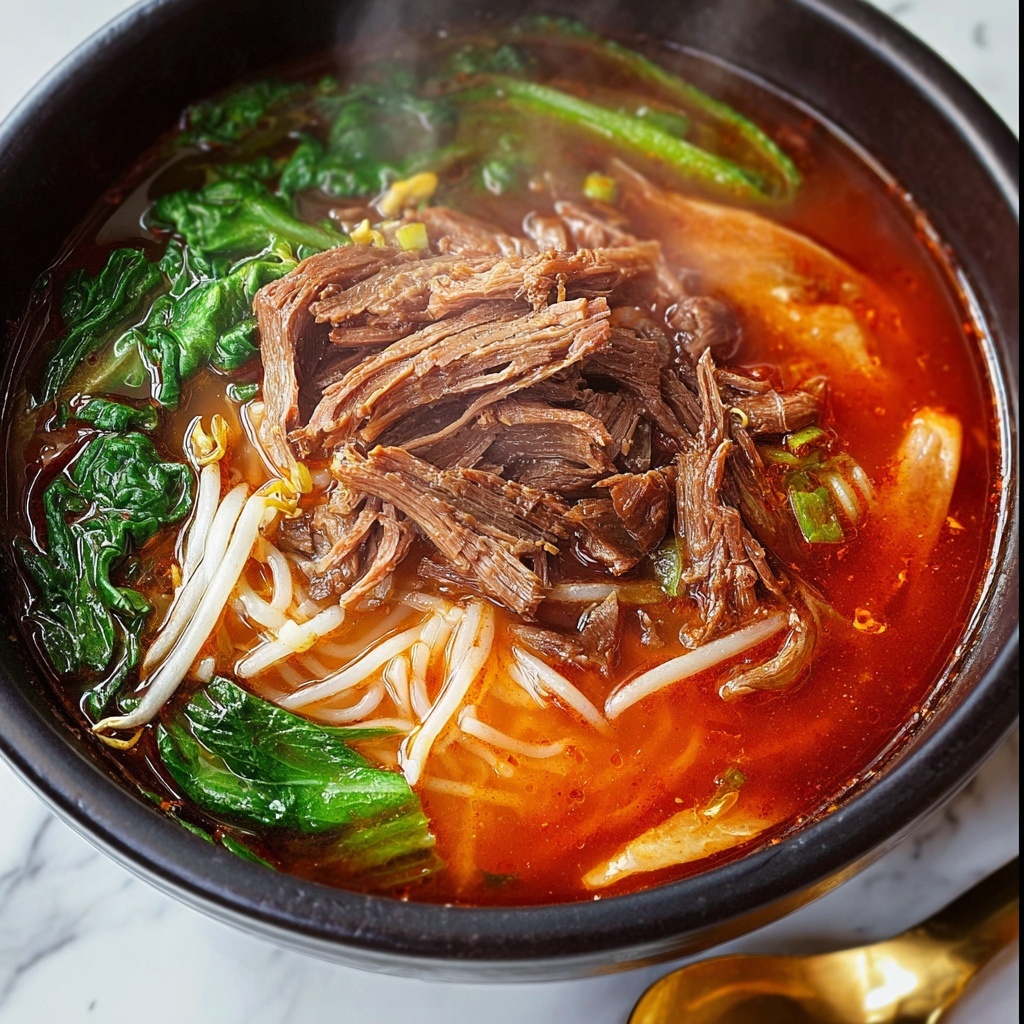
Ingredients You’ll Need
Gathering the right ingredients is key, but don’t let the variety intimidate you—each component is simple yet essential, coming together to create a beautifully balanced soup full of color, depth, and irresistible taste.
- 0.8 oz (22g) dried fernbrake: Adds an earthy, slightly nutty flavor and chewy texture that’s traditional in Korean soups.
- 1 oz (28g) dried taro stem (optional): Introduces a subtle sweetness and fibrous crunch for added complexity.
- 8 oz (225g) mung bean sprouts: Bring a fresh crispness and lightness that brighten the soup.
- 5 oz (140g) oyster mushrooms (or shiitake), torn into bite-size pieces: Provide a meaty texture and umami richness.
- 2 Asian leeks: Offer a delicate onion flavor and vibrant green color.
- 3 cloves garlic, minced: Infuses the broth with warm, aromatic depth.
- 1 teaspoon Korean chili paste (gochujang): Adds savory heat with a touch of sweetness, central to the distinctive spice profile.
- 1 tablespoon soy sauce: Enhances the savory notes and balances flavors.
- 3 tablespoons Korean soup soy sauce (gukganjang): Provides a lighter, saltier soy flavor than regular soy sauce, ideal for soups.
- 1 1/2 tablespoons Korean anchovy sauce: Delivers a subtle oceanic umami boost without overpowering.
- Salt and pepper, to taste: To season perfectly and bring all flavors together.
- 1 1/4 lb (560g) beef brisket: The star protein that becomes tender and succulent through slow cooking.
- 1 large onion, cut in half: To add sweetness and richness to the beef stock.
- 1 whole garlic, cut in half: Provides aromatic base layers extracting deep flavor from the broth.
- 1/2 lb (225g) Korean radish, cut into large chunks: Adds body and a subtle sweetness.
- 14 cups (about 3 liters) water: The foundation of your broth.
- 2 tablespoons oil: For building the chili oil and adding richness.
- 2 tablespoons sesame oil: Brings a toasty, nutty aroma.
- 3-4 tablespoons Korean chili flakes (gochugaru): Essential for that bright, smoky heat that defines the soup’s spice.
How to Make Korean Spicy Beef Vegetable Soup Recipe
Step 1: Rehydrate Dried Vegetables
Start by bringing your dried fernbrake and taro stem to life. Boil each separately until they soften, then soak them for about an hour. After soaking, drain, rinse well, and slice into manageable pieces. This step is crucial because it unlocks the full textures and flavors packed inside these dried ingredients, providing the base of authenticity in this Korean Spicy Beef Vegetable Soup Recipe.
Step 2: Make the Beef Stock
In a generous stockpot, combine the beef brisket, large halved onion, halved garlic bulb, and chunky Korean radish with 14 cups of water. Bring everything to a rolling boil, then reduce to a simmer for about 45 minutes. This slow-cook process deeply infuses the broth with savory, meaty richness and sweetness from the vegetables. Once done, remove and discard the vegetables, shred the beef finely, and strain the broth to ensure a clean yet flavorful base for your soup.
Step 3: Blanch Fresh Vegetables
Prepare your fresh veggies by trimming the Asian leeks and quickly blanching them along with mung bean sprouts and mushrooms in boiling salted water. A few seconds is all you need here—this step brightens the vegetables’ natural colors and softens their crunch just enough without losing freshness. After blanching, drain, rinse under cold water, and gently squeeze out excess water to keep the texture perfect in the soup.
Step 4: Make the Chili Oil
This step really elevates the spicy character of the Korean Spicy Beef Vegetable Soup Recipe. Heat the regular oil and toasted sesame oil together over low heat, then stir in the gochugaru Korean chili flakes for about 30 seconds. The gentle heating allows the oil to absorb the chili’s color and flavor fully, creating a vibrant, aromatic base that will coat your vegetables and beef beautifully in the next step.
Step 5: Combine and Simmer
Add the blanched vegetables and shredded beef into your chili oil pot, then pour in the reserved beef stock to bring everything together. Stir in the gochujang, allowing it to dissolve and deepen the broth’s complexity. Let the soup simmer gently for 15 to 20 minutes, which blends the spicy, savory flavors perfectly without overpowering the natural taste of the ingredients.
Step 6: Season to Perfection
Final flavor adjustments are where the magic happens. Incorporate the soy sauce, Korean soup soy sauce (gukganjang), and anchovy sauce. These layered seasonings create a balanced saltiness and umami depth. Taste the broth and add salt and pepper if needed. Taking this extra moment ensures your Korean Spicy Beef Vegetable Soup Recipe is bursting with perfectly harmonized flavors.
How to Serve Korean Spicy Beef Vegetable Soup Recipe
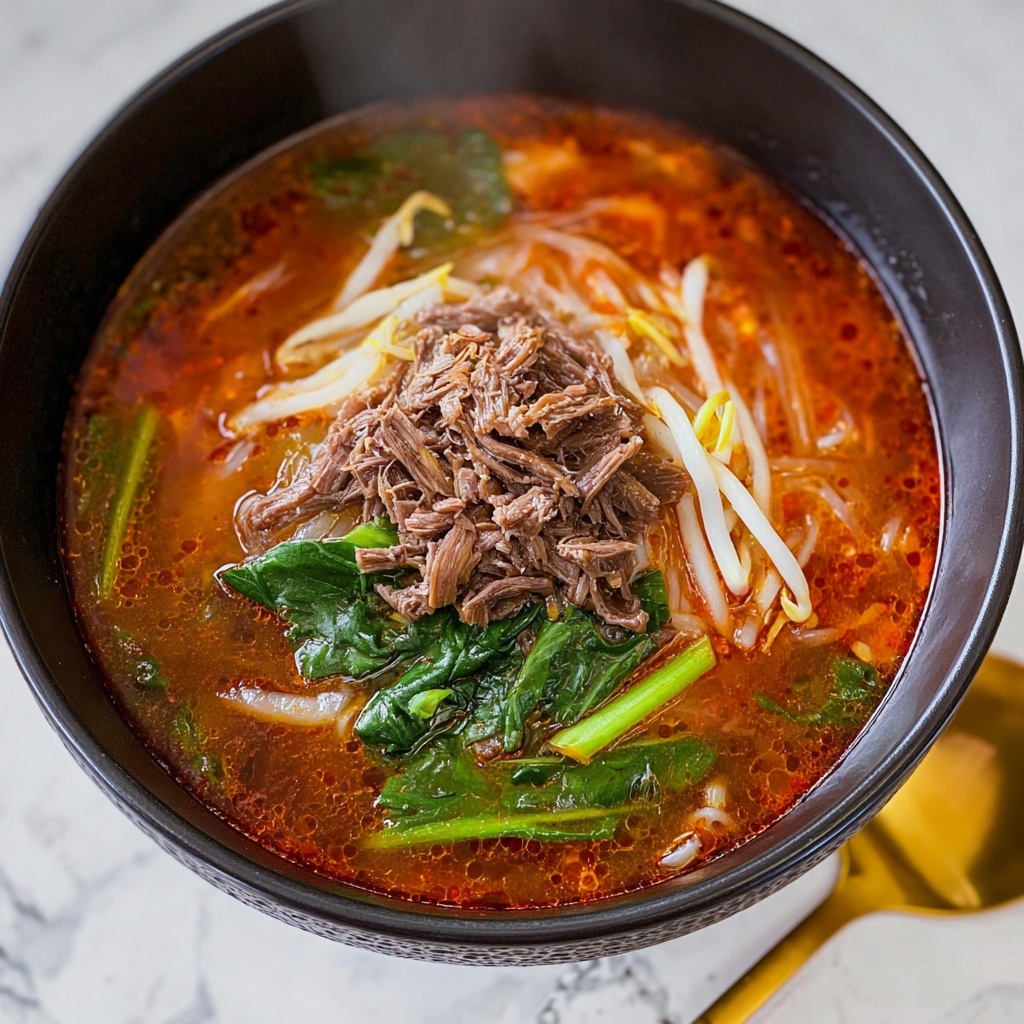
Garnishes
A sprinkle of chopped green onions or a handful of fresh cilantro leaves makes an ideal garnish, adding a refreshing contrast and hint of color on top. You can even add toasted sesame seeds for a delightful nutty crunch on each spoonful. These simple garnishes elevate the presentation and introduce another layer of texture and aroma.
Side Dishes
This soup is fantastic paired with a bowl of steamed white rice or sticky brown rice to soak up the spicy broth. Traditional Korean side dishes like kimchi or pickled radish complement the flavors beautifully, offering crisp and tangy contrasts that brighten the meal and cleanse the palate between bites.
Creative Ways to Present
Try serving the soup family-style in a large rustic pot placed at the center of the table to encourage sharing and conversation. Alternatively, serve individual bowls with a vivid chili thread topping or swirl in a dollop of cool yogurt or sour cream for a creamy counterbalance to the spice. The playful presentation options make this soup an inviting and memorable meal experience.
Make Ahead and Storage
Storing Leftovers
Leftover Korean Spicy Beef Vegetable Soup Recipe can be stored in an airtight container in the refrigerator for up to three days. The flavors will continue to meld, making the soup even tastier the next day—a perfect make-ahead meal option for busy weekdays.
Freezing
This soup freezes exceptionally well. Just let it cool completely before transferring to freezer-safe containers. It can be frozen for up to two months without losing much flavor or texture. When ready to enjoy, thaw overnight in the fridge for best results.
Reheating
Reheat gently on the stove over medium-low heat, stirring occasionally until warmed through. If the broth thickened during storage, add a splash of water or broth to bring it back to the perfect consistency. Avoid microwaving at high heat to preserve the full texture of the vegetables and tender beef.
FAQs
Can I substitute beef brisket with another cut of beef?
Absolutely. While brisket offers the ideal balance of fat and tenderness for this soup, chuck roast or short ribs can also work well. Just be sure to adjust cooking times to get the meat wonderfully tender.
What if I can’t find Korean chili flakes (gochugaru)?
Gochugaru has a unique smoky and moderate heat. If unavailable, try using a mild chili powder mixed with a pinch of smoked paprika as an alternative, though the flavor won’t be quite the same.
Do I have to use dried fernbrake and taro stem?
They are traditional ingredients that add authenticity and texture but are optional. If you can’t find them, adding extra fresh mushrooms or other sturdy vegetables will still create a delicious soup.
Is this soup very spicy?
The spice level is moderately hot due to gochugaru and gochujang, but it can be adjusted up or down by varying the amount of chili flakes and paste used. It’s a wonderful balance of heat and savoriness.
Can I make this soup vegetarian?
While the beef broth and anchovy sauce are central for authentic flavor, you can create a vegetarian version by using vegetable broth, omitting anchovy sauce, and adding tofu or extra mushrooms for protein. The spice and vegetable components will still shine.
Final Thoughts
This Korean Spicy Beef Vegetable Soup Recipe is truly one of those dishes you’ll want to come back to again and again. It marries bold, intricate flavors with comforting heartiness so effortlessly. Whether you’re cooking for friends or a cozy night in, this soup promises warmth, satisfaction, and a taste of Korean culinary magic. Don’t hesitate—grab those ingredients and dive into making a bowl today. Your soul will thank you.
Print
Korean Spicy Beef Vegetable Soup Recipe
- Prep Time: 20 minutes
- Cook Time: 50 minutes
- Total Time: 1 hour 10 minutes
- Yield: 8 servings
- Category: Soup
- Method: Stovetop
- Cuisine: Korean
Description
Korean Spicy Beef Vegetable Soup is a hearty and flavorful traditional Korean dish featuring tender beef brisket simmered in a rich broth with dried and fresh vegetables, infused with spicy chili flakes and aromatic sesame oil. This comforting soup combines a variety of textures and spicy-savory notes perfect for warming up any meal.
Ingredients
Dried Vegetables
- 0.8 oz (22g) dried fernbrake
- 1 oz (28g) dried taro stem (optional)
Fresh Vegetables
- 8 oz (225g) mung bean sprouts
- 5 oz (140g) oyster mushrooms (or shiitake), torn into bite-size pieces
- 2 Asian leeks
- 1/2 lb (225g) Korean radish, cut into large chunks
- 1 large onion, cut in half
- 1 whole garlic, cut in half
- 3 cloves garlic, minced
Meat
- 1 1/4 lb (560g) beef brisket
Seasonings and Sauces
- 1 teaspoon Korean chili paste (gochujang)
- 1 tablespoon soy sauce
- 3 tablespoons Korean soup soy sauce (gukganjang)
- 1 1/2 tablespoons Korean anchovy sauce
- Salt and pepper, to taste
- 3–4 tablespoons Korean chili flakes (gochugaru)
Oils and Liquids
- 14 cups (about 3 liters) water
- 2 tablespoons oil
- 2 tablespoons sesame oil
Instructions
- Rehydrate dried vegetables: Boil the dried fernbrake and dried taro stem separately until softened. After boiling, soak them for 1 hour, then drain, rinse thoroughly, and slice them into manageable pieces for the soup.
- Make beef stock: In a large stockpot, combine the onion halves, whole garlic halves, Korean radish chunks, and beef brisket with about 14 cups (3 liters) of water. Bring the mixture to a boil, then reduce the heat to a simmer and cook for 45 minutes to develop a flavorful broth. After simmering, discard the vegetables, shred the beef brisket finely, and strain the stock to remove any solids.
- Blanch fresh vegetables: Prepare the Asian leeks by cleaning and cutting them into desired sizes. In a pot of boiling salted water, blanch the mung bean sprouts, oyster mushrooms, and sliced leeks for just a few seconds until slightly softened. Quickly drain, rinse with cold water to stop cooking, and squeeze out any excess water to avoid diluting the soup.
- Make chili oil: Heat the regular oil and sesame oil in a pot over low heat. Add the Korean chili flakes (gochugaru) and stir the mixture for about 30 seconds, allowing the flavors and heat to infuse into the oils without burning the spices.
- Combine and simmer: Add the blanched vegetables and shredded beef into the pot with the chili oil. Pour in the reserved beef stock, stirring well. Mix in the Korean chili paste (gochujang) and simmer the soup gently for 15-20 minutes to meld all the flavors together.
- Season the soup: Finish by seasoning the soup with soy sauce, Korean soup soy sauce (gukganjang), and anchovy sauce. Adjust salt and pepper to taste according to your preference before serving.
Notes
- Using both dried and fresh vegetables adds depth and texture to the soup.
- Soaking dried vegetables thoroughly is crucial to soften them and remove any bitterness.
- The beef brisket should be shredded finely to better absorb the spicy broth flavors.
- Adjust the amount of chili flakes and gochujang depending on your preferred spice level.
- Blanching fresh vegetables briefly prevents them from becoming soggy and preserves their crunch.
- For a richer flavor, consider simmering the beef stock longer if time permits.
- This soup is excellent served with steamed rice or Korean side dishes (banchan).