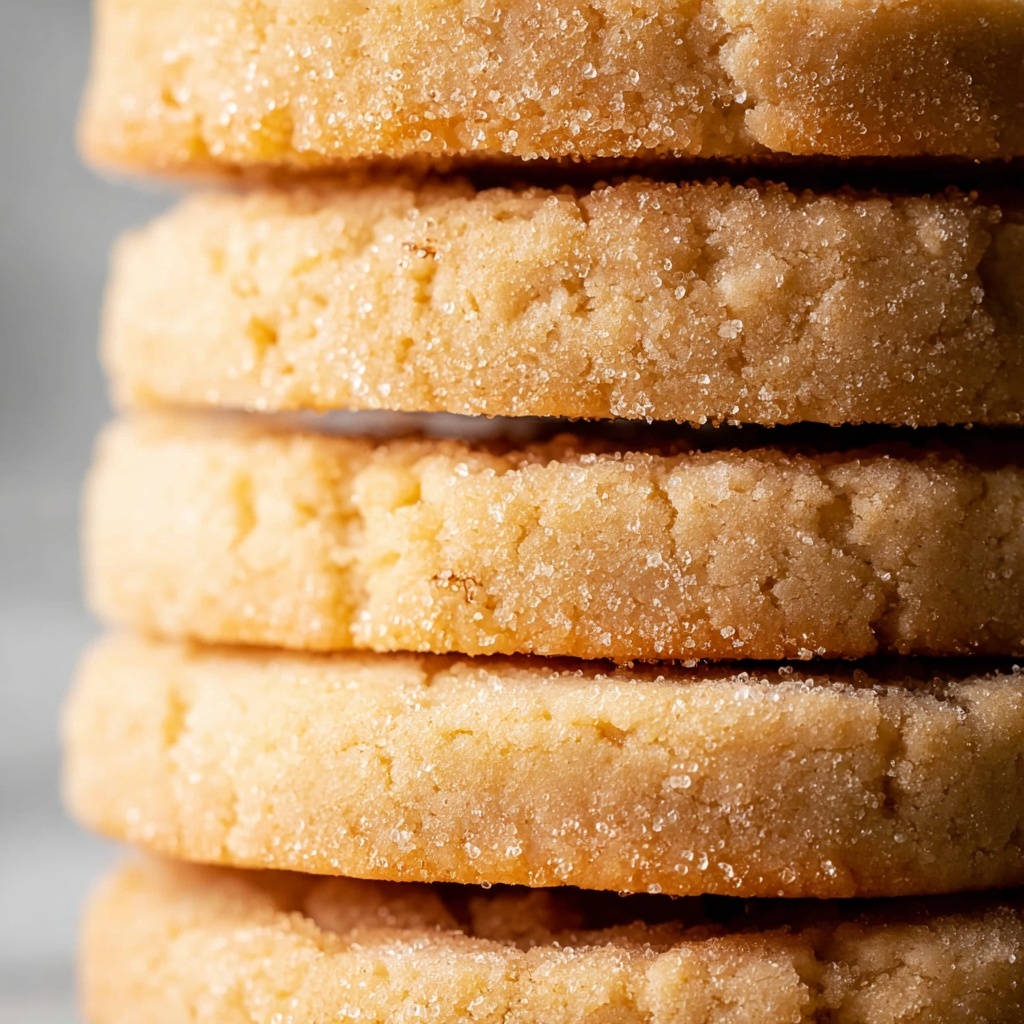
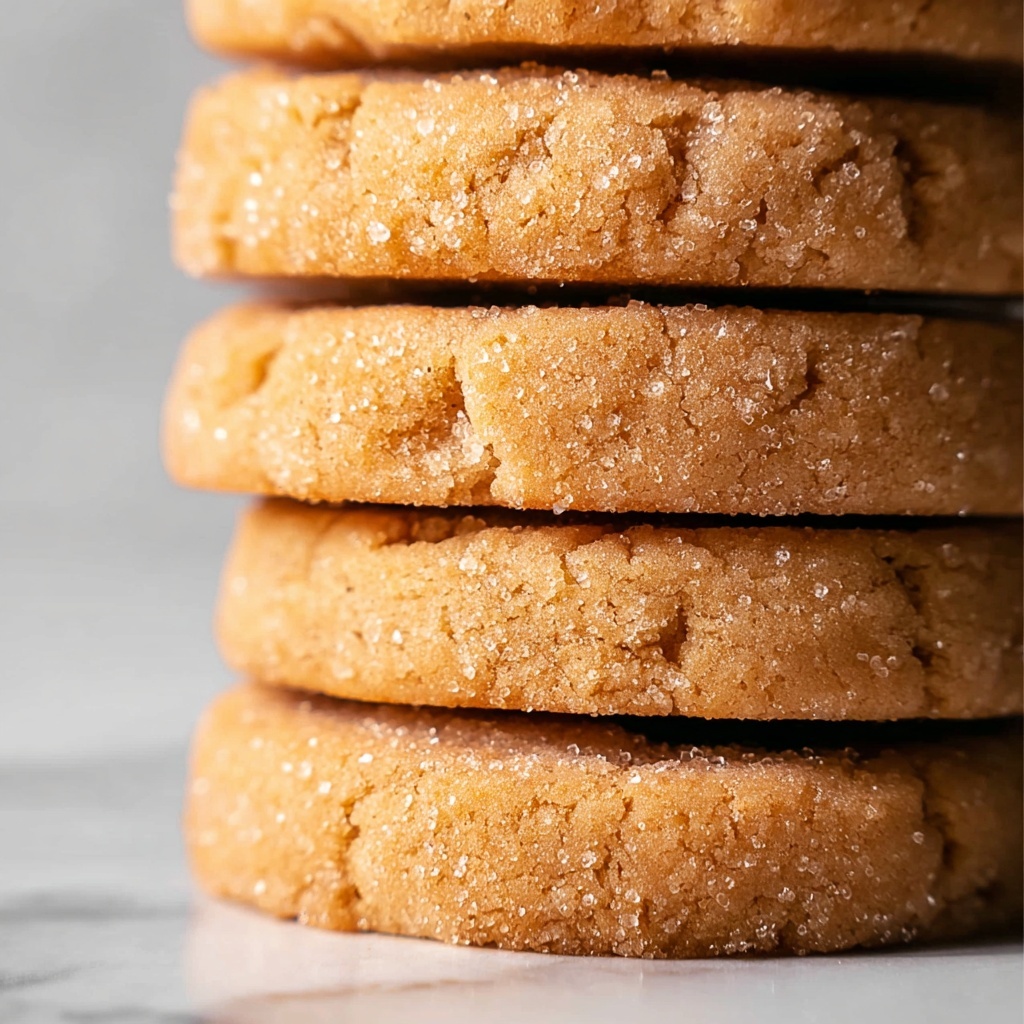
If you’ve been on the hunt for the ultimate buttery, crumbly treat, you’re in the right place. This Perfect Shortbread Cookies Recipe delivers that classic melt-in-your-mouth texture with a rich buttery flavor that feels like a warm hug from the inside. Whether you’re a beginner or a seasoned baker, these cookies will quickly become a staple in your recipe collection because they’re not just simple to make — they’re ridiculously delicious and so satisfying. From the first creamy step to the final crisp bite, every moment spent making these cookies is pure joy.
Ingredients You’ll Need
Sometimes the simplest ingredients create the most extraordinary results, and that’s exactly what happens here. Each ingredient plays a crucial role, combining to form a cookie with the perfect balance of tenderness, flavor, and a delicate crumbly texture.
- 1 cup butter (slightly softened but still firm): The star of the show, giving richness and that signature shortbread texture.
- 1/4 cup dark brown sugar: Adds a subtle caramel depth and moisture to the dough.
- 6 tablespoons powdered sugar: For extra sweetness and a smooth, melt-in-your-mouth feel.
- 1 and 1/2 teaspoons vanilla extract: Enhances the buttery flavor with a warm, aromatic note.
- 1 and 3/4 cup + 2 tablespoons all-purpose flour: The structure of the cookie, measured carefully for that perfect crumb.
- 2 tablespoons cornstarch: Key to making the cookie tender and crumbly rather than tough.
- 3/4 teaspoon kosher salt: Balances sweetness and intensifies the overall flavor.
- Granulated sugar (for rolling the dough): Optional, for that extra sparkle and a subtle sugar crunch.
How to Make Perfect Shortbread Cookies Recipe
Step 1: Cream the Butter
Start by beating the slightly softened butter until it’s creamy and smooth. This step ensures a silky base for your dough and makes the final cookies wonderfully tender. Take your time here — you want the butter to be soft but not oily.
Step 2: Sweeten and Flavor Your Dough
Add the dark brown sugar, powdered sugar, and vanilla extract to the butter. Beat for about 2 minutes until light and fluffy. Scraping down the bowl frequently will help incorporate everything evenly so that richness and sweetness are perfectly balanced throughout your dough.
Step 3: Measure Your Flour Precisely
This is a critical moment. Spoon the flour into your measuring cup and level with a knife — never scoop directly! Adding the flour gently ensures your dough won’t be dense or crumbly beyond repair. Accurate measuring equals that ideal tender bite everyone craves.
Step 4: Combine Dry Ingredients with the Butter Mix
Incorporate the cornstarch and kosher salt before blending them into the butter and sugar mix. Use your mixer or a wooden spoon to mix just until the dough comes together and no dry streaks remain. Be careful not to overmix, which will make your cookies tough.
Step 5: Chill the Dough
Press your dough into a flat square on a sheet of plastic wrap, then tightly wrap it up and pop it in the fridge for 30 to 45 minutes. Chilling makes rolling easier and helps create the crumbly texture we all love in shortbread.
Step 6: Prepare Your Baking Sheet
Line your baking sheet with parchment paper or a silicone baking mat. This prevents sticking and helps your cookies bake evenly.
Step 7: Roll Out the Dough Thickly
Lightly flour your work surface and gently roll the dough to about 3/8 inch thick — remember, shortbread is meant to be substantial, so don’t roll it too thin. Using a ruler here helps get it just right, although you can go as thick as 1/2 inch if you like a chunkier bite.
Step 8: Cut Your Cookies
You can get creative here! Use a 2-inch round cookie cutter for classic circles or slice the dough into “fingers” — long rectangular bars that are perfect for dunking. Both shapes are incredibly charming and delicious.
Step 9: Add a Touch of Sparkle
Rolling the cut cookies in granulated sugar before baking adds a lovely sweetness and a pretty sparkling finish. This is optional but highly recommended for a little extra flair.
Step 10: Prick with a Fork
If you opt for finger-shaped cookies, use a fork to make little indentations on top. This traditional step adds a classic look and helps the cookies bake evenly, although it’s totally okay to leave this off for rounds.
Step 11: Preheat the Oven
Set your oven to 350 degrees Fahrenheit, ensuring it’s nice and hot when your cookies go in.
Step 12: Freeze the Cookies Before Baking
I know this step sounds extra but trust me; freezing the shaped cookies for about 15 minutes ensures the butter is firm and helps lock in the shortbread’s tender, flaky texture. It’s the secret to perfect cookie edges!
Step 13: Bake Until Set
Bake the frozen or chilled cookies for about 11 minutes. They will look soft and pale — don’t worry, that’s exactly what you want at this stage.
Step 14: Shape While Warm
Take the cookies out and promptly use a knife or glass to gently tap the edges inward for neat, tidy shapes. This step is optional but elevates the finished look enormously.
Step 15: Finish Baking to Perfection
Pop them back into the oven for another 2 to 3 minutes, watching closely so they don’t brown too much. The ideal shortbread is slightly soft in the center and matte on top — not golden or shiny.
Step 16: Cool on the Pan Then a Wire Rack
Let your shortbread cool on the pan for 5 minutes before transferring to a rack. This allows the cookies to firm up beautifully without losing their delicate crumb.
Step 17: Enjoy Fresh From the Oven
Seriously, don’t wait. A warm shortbread cookie paired with a glass of cold milk is blissful beyond words. It’s moments like these that make baking so rewarding.
Step 18 & 19: Store or Freeze for Later
Keep your cookies fresh in an airtight container at room temperature for up to 10 days, but they rarely last that long! For longer storage, freeze baked cookies using the flash-freeze method or freeze unbaked dough to bake fresh, adjusting baking time slightly when frozen.
How to Serve Perfect Shortbread Cookies Recipe
Garnishes
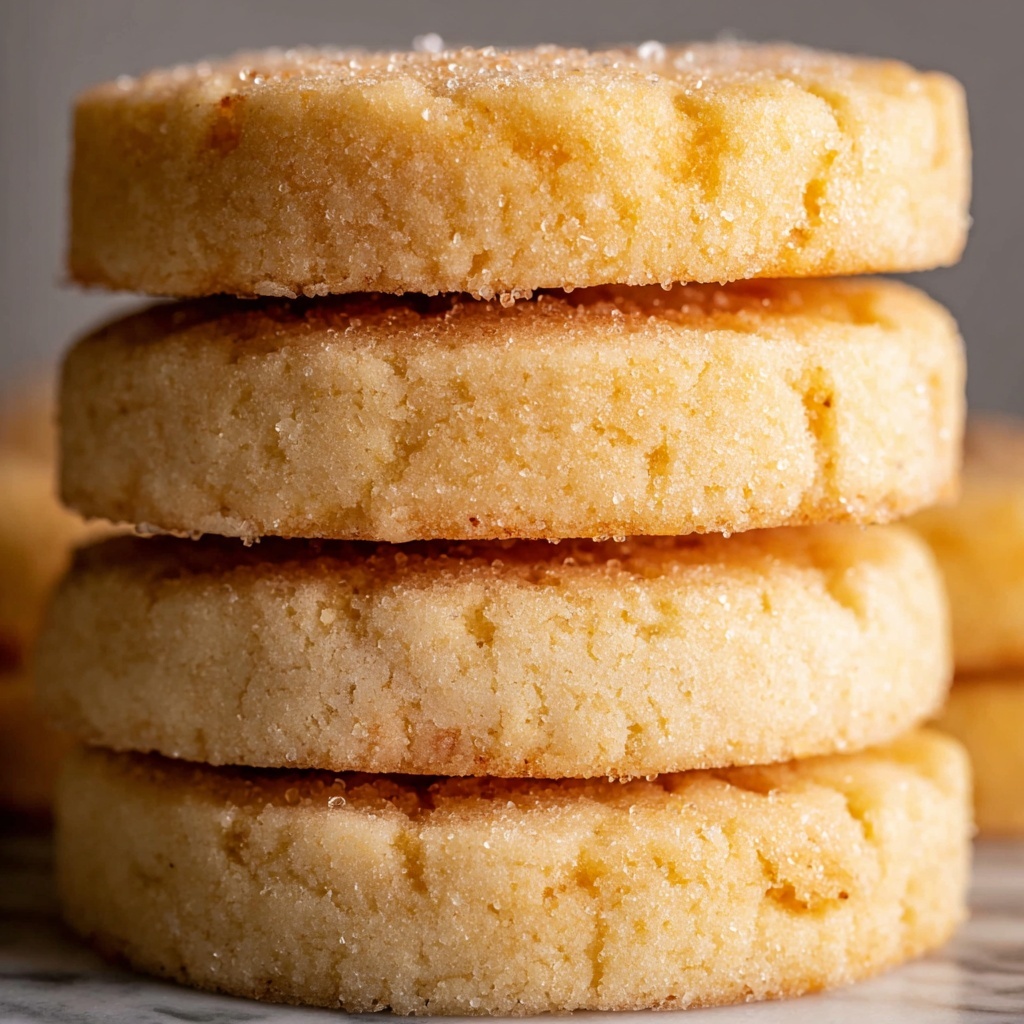
Want to add an extra touch of charm? Sprinkle your shortbread with flaky sea salt, a light dusting of powdered sugar, or a drizzle of melted chocolate. These simple additions can turn everyday cookies into something extra special.
Side Dishes
Perfect shortbread cookies are wonderful alongside a hot cup of tea or coffee. They also pair beautifully with fresh berries, a dollop of whipped cream, or even some tangy lemon curd for a delightful contrast.
Creative Ways to Present
For parties or gifts, arrange your cookies on a decorative platter with fresh herbs like mint or rosemary for a pop of green. Stack them in small stacks tied with ribbon or place them in cute tins lined with parchment paper to make presentation feel as special as the cookies themselves.
Make Ahead and Storage
Storing Leftovers
After your cookies have cooled completely, store them in an airtight container at room temperature. They’ll maintain their delicate crispness and buttery flavor for up to 7 to 10 days.
Freezing
Flash freeze baked cookies on a tray, then transfer to a freezer bag for up to a month. When ready, thaw uncovered for a crisp texture or warm them briefly in the oven for that freshly-baked taste. You can also freeze raw dough pieces similarly to bake fresh at your convenience.
Reheating
Gently warming your shortbread cookies in a low oven for a few minutes brings back that freshly-baked softness. Avoid the microwave to keep the texture intact, and enjoy the aroma filling your kitchen all over again.
FAQs
Can I substitute butter with margarine in this Perfect Shortbread Cookies Recipe?
Butter provides the rich flavor and tender texture key to these cookies, so margarine might change the taste and consistency significantly. For best results, stick with real butter.
Why is cornstarch important in the recipe?
Cornstarch lightens the flour’s protein structure, which helps create that crumbly, tender shortbread texture that’s so beloved. It’s a simple addition that makes a world of difference.
Can I make these gluten-free?
Yes, by substituting the all-purpose flour with a gluten-free blend you trust, though the texture might vary slightly. Experiment with blends that include xanthan gum for better structure.
How thick should I roll out the dough for Perfect Shortbread Cookies Recipe?
About 3/8 inch thick is ideal, but you can go up to 1/2 inch if you prefer thicker cookies. Thicker cookies require a minute or two more baking time, so keep an eye on them.
Is it necessary to freeze the dough before baking?
Freezing the dough or shaped cookies before baking is the secret to perfectly flaky shortbread. This step prevents spreading and helps achieve that delicate texture and crisp edge that make these cookies so irresistible.
Final Thoughts
There’s something undeniably joyful about baking a batch of classic shortbread cookies. This Perfect Shortbread Cookies Recipe brings together simple ingredients and an approachable method to deliver a timeless treat that’s comfortably buttery and simply delicious. Go ahead and give it a try—you’ll delight in every crumbly, tender bite and probably find yourself making them again and again!
Print
Perfect Shortbread Cookies Recipe
- Prep Time: 5 minutes
- Cook Time: 13 minutes
- Total Time: 50 minutes
- Yield: 20 cookies
- Category: Dessert
- Method: Baking
- Cuisine: American
Description
This classic shortbread cookie recipe yields tender, buttery, and crumbly cookies with a delicate sweetness perfect for any occasion. Made with simple ingredients like butter, sugar, vanilla, and flour, these cookies are rolled thick for their signature melt-in-your-mouth texture. Whether shaped into rounds or fingers, chilling and freezing steps ensure a flaky and perfectly baked shortbread every time.
Ingredients
Butter Mixture
- 1 cup butter (slightly softened but still firm)
- 1/4 cup dark brown sugar (packed) or powdered sugar as substitute
- 6 tablespoons powdered sugar
- 1 and 1/2 teaspoons vanilla extract
Dry Ingredients
- 1 and 3/4 cups + 2 tablespoons all purpose flour
- 2 tablespoons cornstarch
- 3/4 teaspoon kosher salt
For Coating
- Granulated sugar (for rolling the dough, optional)
Instructions
- Make the dough: In a large bowl or stand mixer, add 1 cup slightly softened butter and beat until creamy and smooth.
- Add sugar and vanilla: Incorporate 1/4 cup packed dark brown sugar (or powdered sugar) and 6 tablespoons powdered sugar along with 1 and 1/2 teaspoons vanilla extract. Beat for about 2 minutes, scraping the bowl, until the mixture is light and fluffy.
- Measure flour carefully: Use a spoon to add flour to a measuring cup, then level it off with a knife. Add 1 and 3/4 cups plus 2 tablespoons all purpose flour to the butter mixture. Proper measuring avoids crumbly dough.
- Add cornstarch and salt: Before combining, add 2 tablespoons cornstarch and 3/4 teaspoon kosher salt. Mix gently with a mixer or wooden spoon until the dough just comes together with no flour streaks. Do not overmix to keep the dough tender.
- Chill the dough: Transfer dough to a piece of plastic wrap, press into a flat square, wrap tightly, and refrigerate for 30-45 minutes to firm up.
- Prepare baking sheet: Line a baking sheet with parchment paper or a silicone baking mat (silpat).
- Roll the dough: Lightly flour your work surface and roll the chilled dough to approximately 3/8 inch thickness, up to 1/2 inch if preferred, aiming for thick shortbread.
- Cut the dough: Use a 2-inch round cookie cutter or slice into 1 inch by 3 inch rectangular fingers. Remove uneven edges if slicing fingers.
- Coat with sugar: Optional step: Toss each cut cookie in granulated sugar for extra sweetness and sparkle, then place cookies on the baking sheet with at least 1 inch spacing.
- Fork indentations: Use a fork to make decorative indentations on finger-shaped cookies; optional for rounds.
- Preheat oven: Set oven temperature to 350°F (175°C).
- Freeze before baking: Freeze the entire pan of cookies for 15 minutes or refrigerate for 40-50 minutes. This step ensures the butter stays cold for flaky, crumbly texture.
- Bake first phase: Bake cookies at 350°F for about 11 minutes. They should remain soft and not golden yet.
- Shape cookies: Quickly remove the pan and use a butter knife or a round cutter to gently tap edges inward to maintain shape. This step is optional.
- Bake second phase: Return cookies to oven and bake 2-3 more minutes until just set but not browned. The total bake time is about 13-14 minutes.
- Cool the cookies: Let cookies cool on the pan for 5 minutes before transferring to a wire rack to cool completely.
- Enjoy fresh: Shortbread cookies are best enjoyed warm and soft right out of the oven paired with milk.
- Storage: Store cooled cookies in an airtight container at room temperature for 7-10 days. For longer storage, freeze baked or unbaked dough.
- Freezing tips: Flash freeze baked cookies on a sheet for 30 minutes before transferring to freezer bags. Use within one month. Unbaked dough can be flash frozen shaped for 1-3 months; bake from frozen adding 1 minute extra baking time.
Notes
- Powdered sugar can substitute dark brown sugar for a lighter texture and flavor.
- Measuring flour correctly by spooning into the cup prevents dense, crumbly dough.
- Do not overmix dough to keep cookies tender and flaky.
- Freezing dough/cookies before baking is key for perfect texture in shortbread.
- Shortbread cookies do not rise much, but spacing cookies on pan ensures even baking and clean edges.
- Rolling shortbread thick (3/8 to 1/2 inch) is traditional and yields tender cookies.
- Cookie shapes can be rounds or fingers—both classic and delicious.