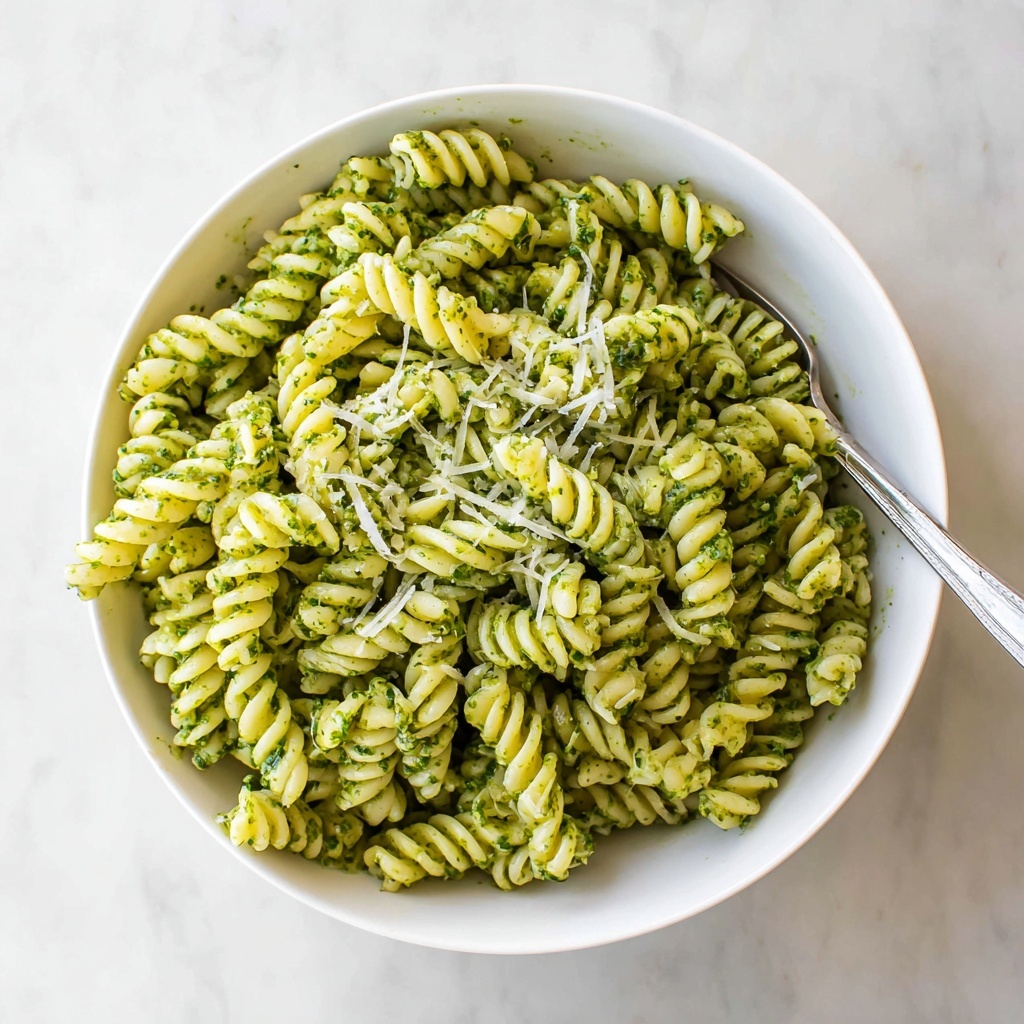
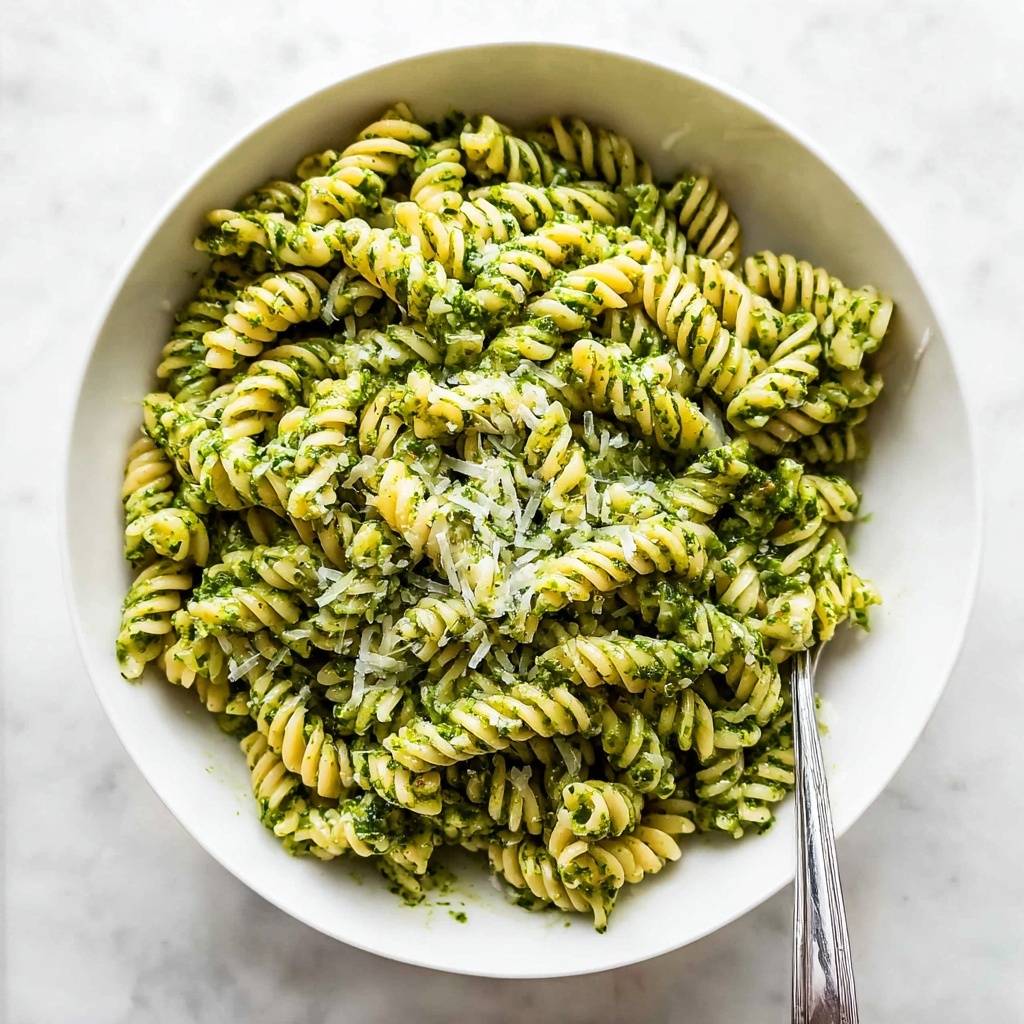
If you love vibrant spring flavors and crave something fresh yet comforting, the Ramp Pasta with Basil, Lemon, and Pine Nuts Recipe is about to become your new favorite. This dish perfectly balances the unique garlicky zest of ramps with the bright tang of lemon and the earthy crunch of pine nuts, all tied together in a luscious, herbaceous sauce that clings beautifully to hearty pasta shapes. It is simple to prepare but bursting with layers of flavor that feel both sophisticated and homey at once, making it ideal for those moments when you want to impress without fuss.
Ingredients You’ll Need
Getting the ingredients right is key to capturing the true spirit of this Ramp Pasta with Basil, Lemon, and Pine Nuts Recipe. Each component plays a vital role, whether it’s the creamy parmesan that adds richness or the fresh basil which injects an aromatic lift. These simple ingredients combine to create a dish that’s as colorful as it is delicious.
- 1 pound chunky pasta (fusilli, penne, or rigatoni): These shapes hold sauce well, making every bite flavorful.
- ¼ cup pine nuts: Toasted pine nuts bring a toasty crunch and buttery undertones.
- 1 bunch of ramps: Their tender stems and leaves provide a bright, garlicky flavor that’s unmistakably spring.
- ½ cup extra virgin olive oil: A quality oil adds smoothness and richness to the sauce.
- 1 cup packed fresh basil: Fresh basil leaves brighten the recipe with herbal aroma and color.
- ½ cup grated parmesan cheese: This adds a savory, salty depth to the sauce.
- ½ teaspoon sea salt: Enhances all the natural flavors without overpowering.
- Zest of 1 lemon: Adds refreshing citrus notes and a burst of color.
- 1 tablespoon freshly squeezed lemon juice: Balances richness with a lively acid punch.
- Optional grated parmesan cheese for topping: Perfect for extra cheesy goodness when serving.
How to Make Ramp Pasta with Basil, Lemon, and Pine Nuts Recipe
Step 1: Cook the Pasta
Start by bringing a large pot of salted water to a rolling boil. Cooking the pasta to al dente is essential because it gives just the right bite to complement the creamy sauce. Remember to save half a cup of the pasta water before draining — this starchy liquid is the secret to bringing everything together in the final step.
Step 2: Toast the Pine Nuts
While the pasta cooks, gently toast the pine nuts in a dry frying pan over low heat. Keep a close eye on them—they can go from golden to burnt in seconds. Toasting amps up their natural nuttiness and adds a delightful crunch to the finished dish.
Step 3: Cook the Ramps
Next, slice off the ramp stems from the leaves. Finely chop the stems and sauté them over medium heat for three minutes to soften and mellow their flavor. Add the leaves last—just long enough to wilt, about 30 seconds, so they retain their vibrant color and a touch of peppery bite.
Step 4: Blend the Sauce
Time to bring our beautiful sauce together. Add the sautéed ramps, toasted pine nuts, olive oil, fresh basil, parmesan, sea salt, lemon zest, and lemon juice to a blender or food processor. Pulse until smooth, scraping down the sides as needed. The result is a bright, herbaceous pesto-like sauce that’s packed with flavor without being heavy.
Step 5: Combine and Serve
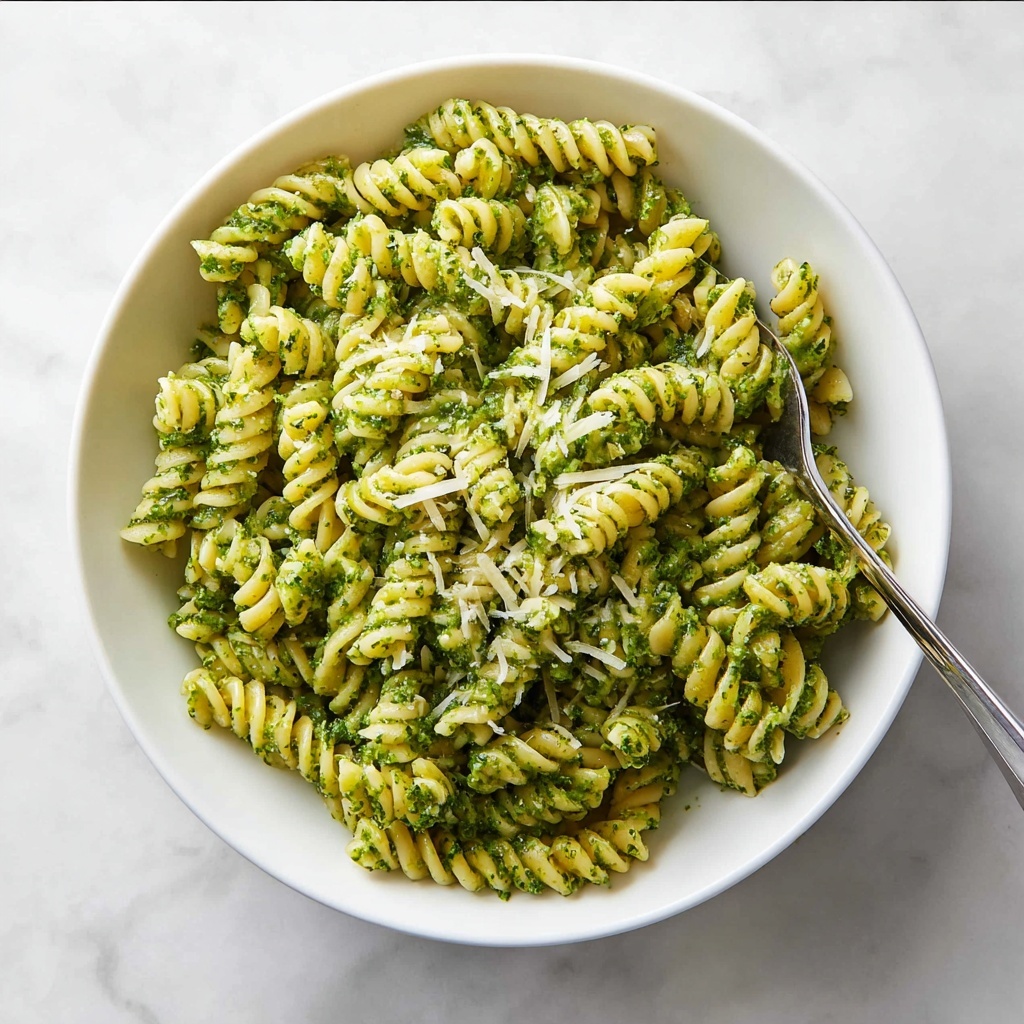
In a large bowl or pot, stir the sauce together with the reserved pasta water and freshly cooked pasta. The pasta water loosens the sauce just enough to coat every twist and tube. Serve immediately, topped with extra parmesan cheese if you like for that perfect cheesy finish.
How to Serve Ramp Pasta with Basil, Lemon, and Pine Nuts Recipe
Garnishes
To elevate your Ramp Pasta with Basil, Lemon, and Pine Nuts Recipe, consider garnishing with additional toasted pine nuts for texture, a sprinkle of freshly cracked black pepper, or a few extra fresh basil leaves for an herby pop. A drizzle of good-quality olive oil just before serving adds gloss and richness.
Side Dishes
This vibrant pasta pairs wonderfully with a crisp green salad or roasted spring vegetables like asparagus or snap peas. A crusty, rustic bread also complements the creamy, zesty sauce, perfect for soaking up every last bit.
Creative Ways to Present
For a dinner party twist, serve this ramp pasta in individual shallow bowls with a lemon wedge on the side to encourage a fresh squeeze of citrus at the table. You can also top with edible flowers or microgreens to amplify its springtime freshness.
Make Ahead and Storage
Storing Leftovers
If you have leftovers (though unlikely), store them in an airtight container in the refrigerator for up to 2 days. The flavors actually deepen after resting, making it a tasty next-day meal.
Freezing
This Ramp Pasta with Basil, Lemon, and Pine Nuts Recipe is best enjoyed fresh because freezing tends to dull the brightness of the lemon and basil. However, you can freeze the pasta and sauce separately if needed. Thaw gently in the fridge overnight before reheating.
Reheating
Reheat leftovers gently in a skillet over low heat, adding a splash of water or olive oil to loosen the sauce. Avoid using a microwave if possible, as it can make the pasta rubbery and unevenly heated.
FAQs
Can I substitute ramps if they are out of season?
Ramps have a unique flavor that’s hard to replicate exactly, but a mix of green garlic and wild leeks can be a decent substitute. Just adjust the quantity to avoid overpowering the dish.
What type of pasta works best for this recipe?
Chunky or ridged pasta like fusilli, penne, or rigatoni works best because their shape holds the ramp sauce beautifully, delivering maximum flavor in every bite.
Is this recipe vegan or vegetarian?
This recipe is vegetarian as it includes parmesan cheese. To make it vegan, substitute the parmesan with a plant-based cheese or nutritional yeast for a similar umami flavor.
Can I make this recipe gluten-free?
Absolutely! Just swap out the pasta for your favorite gluten-free variety and follow the recipe as is. The sauce is naturally gluten-free, so it won’t affect the flavor.
How strong is the lemon flavor in the sauce?
The lemon zest and juice provide a bright, refreshing note that brightens the entire dish without overpowering the ramps or basil. It’s perfectly balanced to highlight each ingredient’s natural taste.
Final Thoughts
I can’t recommend this Ramp Pasta with Basil, Lemon, and Pine Nuts Recipe enough for anyone looking to capture the essence of spring in a bowl. Its vibrant flavors, simple ingredients, and quick preparation make it a joyous meal to share with family or friends. Trust me, once you try it, it will quickly become a staple in your seasonal cooking repertoire!
Print
Ramp Pasta with Basil, Lemon, and Pine Nuts Recipe
- Prep Time: 15 minutes
- Cook Time: 15 minutes
- Total Time: 30 minutes
- Yield: 4 servings
- Category: Main Course
- Method: Stovetop
- Cuisine: Italian
- Diet: Vegetarian
Description
This vibrant Ramp Pasta recipe celebrates the distinctive flavor of ramps with a fresh, herbaceous sauce made from toasted pine nuts, parmesan, basil, and lemon. Perfect for spring, this dish combines al dente pasta with a creamy, aromatic ramp sauce for a quick and satisfying meal that serves four.
Ingredients
Pasta
- 1 pound chunky pasta (fusilli, penne, or rigatoni)
Sauce
- ¼ cup pine nuts
- 1 bunch of ramps
- ½ cup extra virgin olive oil
- 1 cup packed fresh basil
- ½ cup grated parmesan cheese
- ½ teaspoon sea salt
- Zest of 1 lemon
- 1 tablespoon freshly squeezed lemon juice
- Optional for topping – grated parmesan cheese
Instructions
- Cook Pasta: Bring a large pot of salted water to a boil over high heat. Add the pasta and cook according to the package directions until al dente. Drain the pasta, reserving ½ cup of the pasta cooking water for the sauce.
- Toast Pine Nuts: While the pasta cooks, toast the pine nuts in a small frying pan over low heat, stirring often, until they turn golden brown and fragrant. Remove from heat.
- Cook Ramps: Separate the ramp stems from the leaves. Finely chop the stems and add them to the frying pan, cooking over medium heat for 3 minutes to soften. Then add the ramp leaves and cook just until wilted, about 30 seconds.
- Prepare Ramp Sauce: In a blender or food processor, combine the toasted pine nuts, cooked ramp stems and leaves, olive oil, fresh basil, parmesan cheese, sea salt, lemon zest, and lemon juice. Blend for about 30 seconds until smooth, scraping down the sides as needed to ensure even blending.
- Toss Pasta with Sauce: Transfer the ramp sauce to a large bowl, add the reserved pasta water and the cooked pasta, stirring well to combine and coat the pasta evenly with the sauce. Serve immediately, topped with additional grated parmesan if desired.
Notes
- Be careful not to overcook the ramps; they should be just wilted to preserve their bright flavor.
- Toasting pine nuts enhances their nutty flavor—watch them closely to prevent burning.
- You can substitute basil with parsley if you prefer a milder herb flavor.
- Reserve some pasta water to help loosen the sauce and help it stick to the pasta more effectively.
- Use freshly grated parmesan for best taste and texture.
- This recipe works well with other short, chunky pasta shapes that hold sauce well.