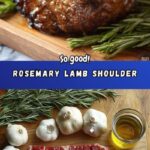
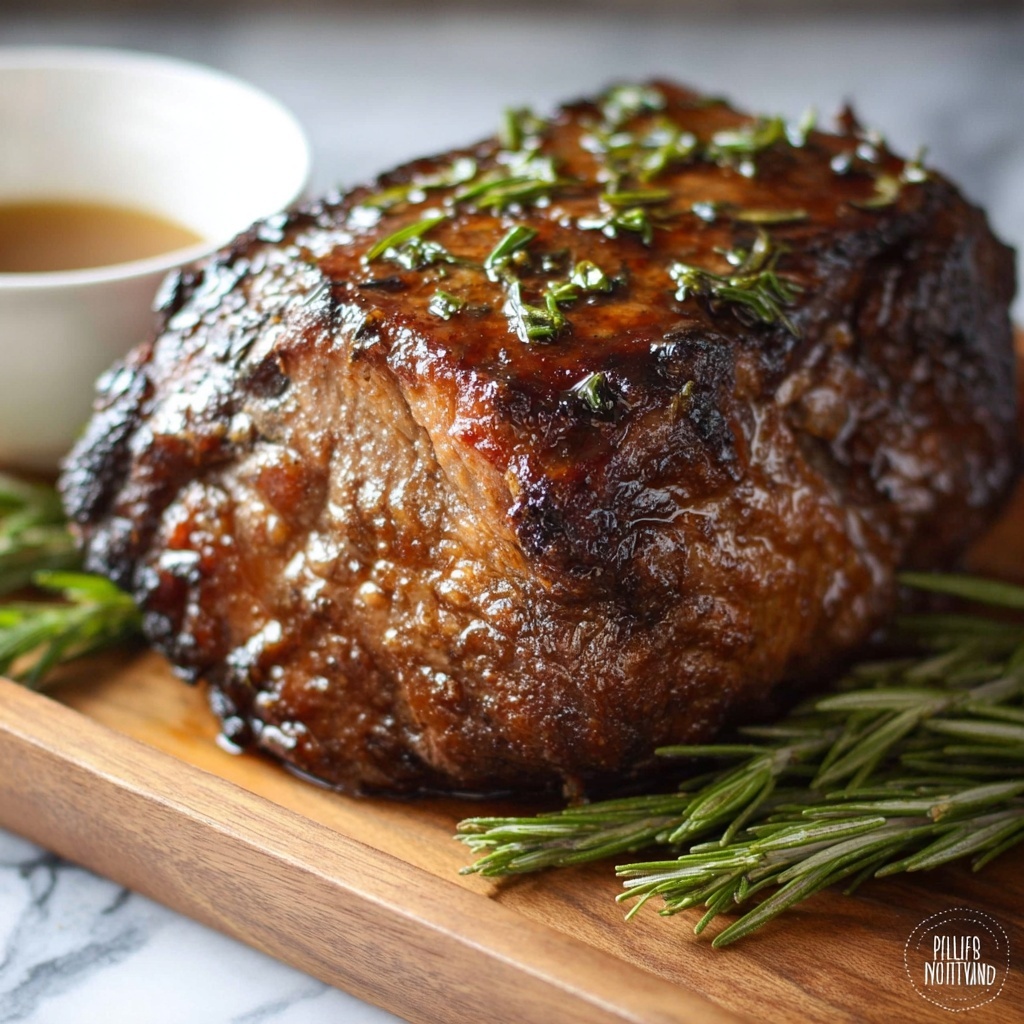
If you are looking to impress with a dish that feels both comforting and luxurious, the Slow-Roasted Rosemary Lamb Shoulder Recipe is your new best friend in the kitchen. This recipe transforms a humble lamb shoulder into a fragrant, tender, and incredibly flavorful masterpiece. The slow roast brings out the natural richness of the lamb, while fresh rosemary and garlic infuse every bite with a beautiful herbal aroma. Perfect for family gatherings or special Sunday dinners, this dish proves that with simple ingredients and patience, you can create something truly spectacular.
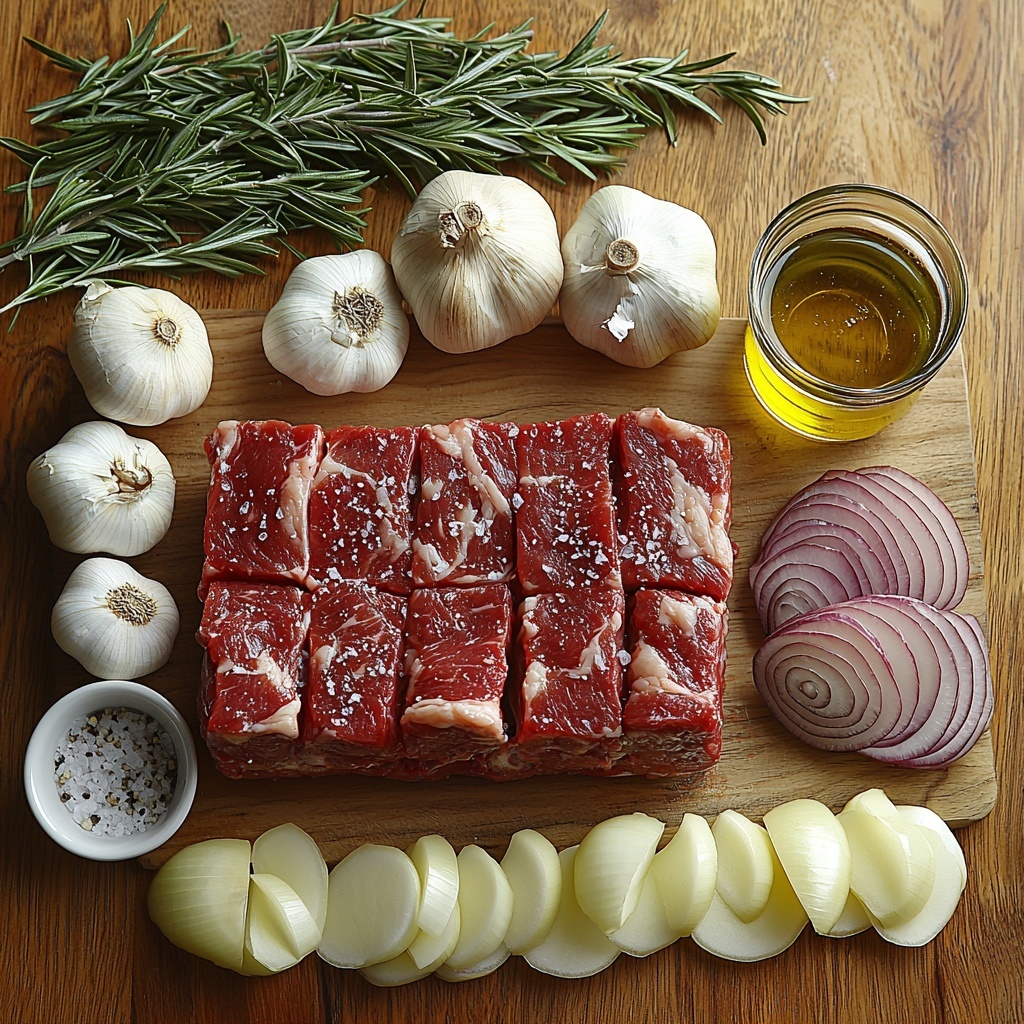
Ingredients You’ll Need
The magic of the Slow-Roasted Rosemary Lamb Shoulder Recipe lies in its simplicity. Each ingredient is carefully chosen to enhance the lamb’s flavor, moisture, and texture without overpowering it. Together, they create a perfect harmony of taste, aroma, and even a bit of color to make the dish as inviting visually as it is on the palate.
- Lamb shoulder (4–5 lb, bone-in): The star of the dish, offering rich flavor and tender meat when slow-cooked.
- Fresh rosemary sprigs (4–5): Infuse the lamb with an earthy, piney fragrance that’s absolutely essential.
- Garlic cloves (6–8, sliced): Adds deep, aromatic warmth and wonderful depth to the roast.
- Olive oil (2 tbsp): Helps the seasoning stick and aids in creating a delicious crust.
- Salt (1 ½ tsp): Enhances all the natural flavors in the lamb and surrounding ingredients.
- Black pepper (1 tsp): Adds a subtle heat and complexity at just the right level.
- Onions (2 large, thickly sliced): Serve as a flavorful bed for the lamb and caramelize beautifully while roasting.
- White wine or broth (1 cup): Keeps the lamb moist and adds acidity and savory notes to the pan juices.
- Lemon zest (1 tsp, optional): Brings a bright, fresh contrast that lifts the dish.
How to Make Slow-Roasted Rosemary Lamb Shoulder Recipe
Step 1: Prepare the Lamb with Rosemary and Garlic
Start by patting your lamb shoulder dry with paper towels to ensure a nice crust later. Carefully make small slits across the meat and tuck in the sliced garlic and fresh rosemary sprigs. This technique infuses the lamb from the inside out, making every bite bursting with those classic herb and garlic flavors.
Step 2: Season and Oil the Lamb
Next, rub the entire lamb shoulder with olive oil. This not only helps the seasoning stick but also promotes a lovely crust as it roasts. Follow with a generous seasoning of salt, black pepper, and if you like, a touch of lemon zest for a subtle zing. This simple seasoning combo enhances the natural meat flavors without masking them.
Step 3: Arrange Onions and Add Liquid
Lay out thick slices of onions in your roasting pan or Dutch oven. These onions serve as both a flavorful roasting base and a natural rack that keeps the meat moist. Pour in your choice of white wine or broth — this adds a delicate acidity and keeps the cooking environment moist, preventing the lamb from drying out during the long roasting time.
Step 4: Slow Roast the Lamb
Place the seasoned lamb shoulder on top of the onions, then cover tightly with foil or a lid. Roast it at a low temperature of 300°F (150°C) for three and a half to four hours. This slow cooking allows the connective tissues to break down gently, resulting in meltingly tender meat. Don’t forget to baste occasionally to keep the lamb juicy and flavorful.
Step 5: Crisp Up the Outside
After the long slow roast, remove the foil and increase the oven temperature to 375°F (190°C). Roast the lamb uncovered for an additional 30 minutes. This final step crisps up the outside beautifully, giving you a lovely caramelized crust that contrasts brilliantly with the tender interior.
Step 6: Rest and Serve
Once out of the oven, let the lamb rest for 15 to 20 minutes before carving or shredding. This resting period allows the juices to redistribute, giving you moist, flavorful slices. Serve directly with the roasted onions and generous spoonfuls of those luscious pan juices for the ultimate comfort meal experience.
How to Serve Slow-Roasted Rosemary Lamb Shoulder Recipe
Garnishes
To add an extra layer of freshness and color, garnish your lamb with a sprinkle of chopped fresh rosemary or a few lemon wedges. A handful of finely chopped parsley thrown on top just before serving can also brighten the dish and add a lovely herbal note.
Side Dishes
This lamb pairs beautifully with creamy mashed potatoes, roasted root vegetables, or a simple herb-infused couscous. The rich meat and pan juices are perfect for soaking up with crusty bread or a buttered dinner roll. For a lighter option, try a crisp green salad dressed with lemon vinaigrette to balance the richness.
Creative Ways to Present
For a rustic feel, serve the lamb shoulder directly from the roasting pan at the table so everyone can dig in family-style. Alternatively, for a more elegant presentation, carve the lamb into thick slices and fan them around a platter served with a drizzle of pan sauce and a scattering of caramelized onions.
Make Ahead and Storage
Storing Leftovers
If you have any leftover lamb, store it in an airtight container in the refrigerator for up to three days. The meat continues to develop even more flavor as it rests, making delicious leftovers perfect for sandwiches or salads.
Freezing
You can freeze cooked lamb for up to three months. Just make sure it’s tightly wrapped or placed in a freezer-safe container to prevent freezer burn. Thaw overnight in the fridge before reheating for best texture and taste.
Reheating
To reheat, gently warm the lamb in a low oven or covered skillet with a splash of broth or water to keep it moist. Avoid overheating, which can dry out the meat. A quick reheat keeps it tender and juicy, just like freshly cooked.
FAQs
Can I use boneless lamb shoulder for this recipe?
Yes, boneless lamb shoulder works well too. Just adjust cooking time slightly as it may cook a bit faster without the bone, and be sure to tuck the rosemary and garlic into the slits for maximum flavor.
What if I don’t have white wine — can I substitute it?
Absolutely! Chicken or vegetable broth is a perfect alternative that adds moisture and flavor. If you prefer a non-alcoholic option, broth is the way to go.
How do I know when the lamb is done?
The lamb should be tender enough to pull apart easily with a fork after the slow roast. Internal temperature should reach around 190°F (88°C) for shredding tenderness, but the texture is a better indicator than just the thermometer.
Can I prepare this dish in advance?
Definitely. You can prep the lamb with the garlic and rosemary the day before and refrigerate it, allowing flavors to deepen. Then just roast on the day you plan to serve it.
What can I do if I don’t have fresh rosemary?
Dried rosemary can be used in a pinch, but fresh rosemary gives a much more vibrant flavor and aroma essential to this recipe. If using dried, reduce the amount and sprinkle it on with the seasonings rather than tucking into the slits.
Final Thoughts
This Slow-Roasted Rosemary Lamb Shoulder Recipe is one of those dishes that feels like a warm hug from the inside out. It’s approachable, rewarding, and packed full of incredible flavors that everyone will love. I truly urge you to give this recipe a try — it turns an ordinary cut of meat into an unforgettable centerpiece sure to delight your family and friends.
Print
Slow-Roasted Rosemary Lamb Shoulder Recipe
- Prep Time: 20 minutes
- Cook Time: 4 hours 15 minutes
- Total Time: 4 hours 35 minutes
- Yield: 6 servings
- Category: Main Course
- Method: Roasting
- Cuisine: Mediterranean
Description
This Slow-Roasted Rosemary Lamb Shoulder recipe delivers tender, flavorful meat infused with fresh rosemary and garlic. Slow roasting at a low temperature ensures the lamb becomes incredibly juicy and easy to shred, while a final blast of heat crisps the exterior to perfection. Served with caramelized onions and pan juices, it’s an ideal dish for a comforting family meal or special occasion dinner.
Ingredients
Meat
- 4–5 lb lamb shoulder, bone-in
Herbs & Aromatics
- 4–5 sprigs fresh rosemary
- 6–8 cloves garlic, sliced
- 2 large onions, thickly sliced
- 1 tsp lemon zest (optional)
Seasonings & Liquids
- 2 tbsp olive oil
- 1 ½ tsp salt
- 1 tsp black pepper
- 1 cup white wine or broth
Instructions
- Prepare the lamb: Pat the lamb shoulder dry with paper towels to remove any excess moisture. Make small slits all over the meat using a sharp knife and carefully tuck sliced garlic and rosemary sprigs into these slits to infuse flavor deep into the meat.
- Season the lamb: Rub the entire lamb shoulder generously with olive oil to help seasonings adhere and promote browning. Then, season it all over with salt, black pepper, and if desired, sprinkle with lemon zest for a hint of brightness.
- Arrange aromatics and add liquid: Spread the thickly sliced onions evenly in the bottom of a roasting pan or Dutch oven. Pour in white wine or broth to keep the meat moist and create flavorful pan juices during roasting.
- Slow roast the lamb: Place the prepared lamb shoulder on top of the onions. Cover tightly with aluminum foil or the lid of the Dutch oven to trap steam and roast in a preheated oven at 300°F (150°C) for 3.5 to 4 hours. Occasionally baste the meat with the pan juices to maintain moisture and enhance flavor.
- Crisp the exterior: Remove the foil or lid and increase the oven temperature to 375°F (190°C). Roast uncovered for an additional 30 minutes to develop a crispy, caramelized crust on the top of the lamb.
- Rest and serve: Let the lamb rest uncovered for 15–20 minutes after roasting to allow the juices to redistribute. Then shred or carve the meat and serve it alongside the softened onions and the flavorful pan juices.
Notes
- Using bone-in lamb shoulder helps retain moisture and adds flavor during the slow roasting process.
- Tucking garlic and rosemary inside the meat slits infuses the lamb from within, enhancing the overall taste.
- Choose white wine for a subtle acidity or broth for a milder flavor in the roasting liquid.
- Resting the meat before carving is essential to keep it juicy and tender.
- This recipe can be adapted to cook in a slow cooker at low for 6-8 hours if preferred, though the final crisping step would need adjustment.