
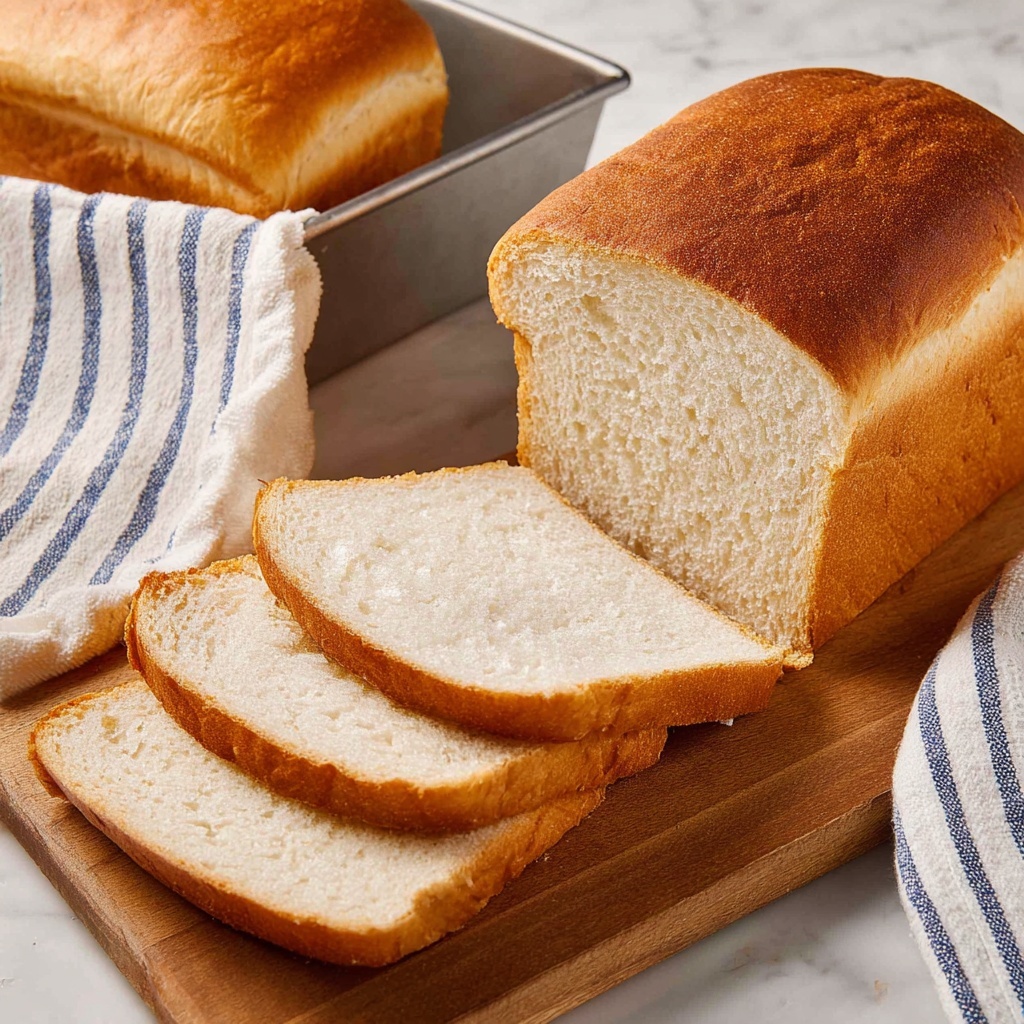
If you’ve ever dreamed of biting into a sandwich with perfectly soft, yet tangy bread that elevates every filling, then this Sourdough Sandwich Bread Recipe is exactly what you need in your kitchen! This recipe blends the rustic charm of sourdough’s natural fermentation with the precise softness and structure you want in sandwich bread. The result is a deliciously tender crumb and a subtle tang that pairs beautifully with everything from classic deli meats to avocado and tomato. Baking this bread at home is incredibly rewarding, and once you try it, store-bought sandwich bread will seem like a distant memory.
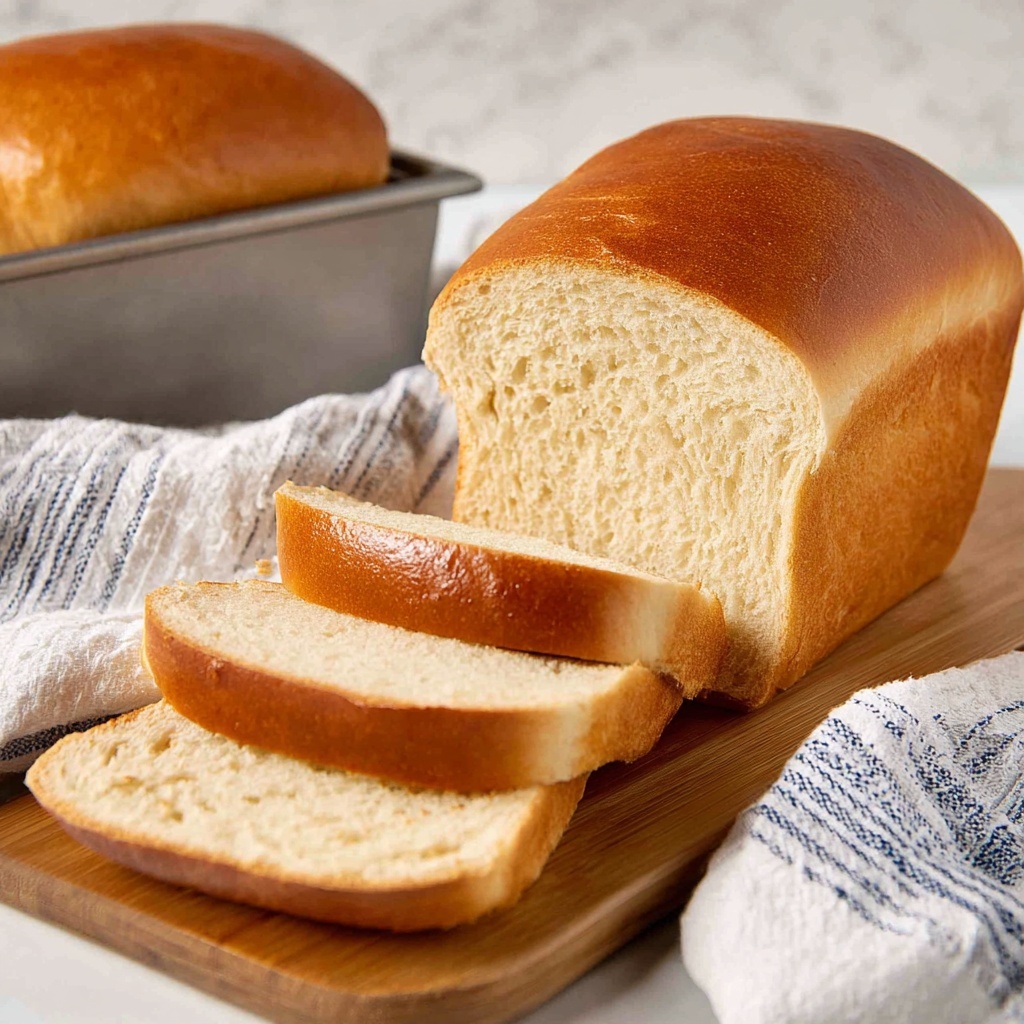
Ingredients You’ll Need
Gathering your ingredients couldn’t be simpler, yet each one plays a crucial role in creating the bread’s texture, flavor, and appealing crust. From the creamy richness of butter to the wholesome bite of whole wheat flour, every component is essential to crafting this perfect loaf.
- 6 1/2 cups all-purpose flour: Provides the structure and elasticity needed for a soft but sturdy loaf.
- 1 1/2 cups whole wheat flour: Adds a nutty depth and boosts fiber while balancing the crumb’s texture.
- 1 Tablespoon kosher salt: Enhances all the flavors and controls yeast activity for an even rise.
- 3 Tablespoons sugar: Feeds the yeast and contributes to a subtle sweetness in the bread.
- 3 Tablespoons unsalted butter (room temperature): Brings tenderness and richness to the crumb.
- 2 1/4 teaspoons instant yeast: Works alongside your sourdough discard to ensure a reliable rise.
- 2 1/2 cups warm water (105–110°F): Hydrates the dough and activates the yeast perfectly without overheating.
- 1/2 cup sourdough discard: Adds natural flavor complexity and a touch of tang that makes this loaf uniquely delightful.
How to Make Sourdough Sandwich Bread Recipe
Step 1: Combine Dry Ingredients
Start by mixing your all-purpose flour, whole wheat flour, kosher salt, sugar, and instant yeast in a large bowl. This ensures even distribution so your yeast activates properly and the salt doesn’t inhibit it. Getting this foundational mix right sets the stage for a beautifully consistent dough.
Step 2: Add the Wet Ingredients
Next, stir in your warm water, sourdough discard, and softened butter into the dry mix. The water’s warmth jumpstarts yeast activation, while the sourdough discard brings that signature tang and depth. Mixing until just combined lets all the ingredients meld without toughening the dough.
Step 3: Knead the Dough
Turn the dough out onto a lightly floured surface and knead for about 8 to 10 minutes. This step develops the gluten, giving your sandwich bread a chewy yet pillowy texture that’s soft enough to slice thinly but resilient enough to hold up to any filling.
Step 4: First Rise
Place the dough in a lightly oiled bowl, cover it, and let it rise in a warm spot until doubled in size. This fermentation period lets the yeast work its magic while the sourdough discard imparts subtle sour notes, adding complexity to the bread’s flavor.
Step 5: Shape into Loaves
Once risen, gently punch down the dough, divide it into two equal pieces, and shape each piece into a tight loaf. Proper shaping traps air and builds a fine crumb structure perfect for sandwiches.
Step 6: Second Rise in Pans
Transfer your loaves into greased loaf pans and cover them again. Let them rise until they puff up just above the pan rims. This step ensures a nice height and a light texture once baked.
Step 7: Bake to Golden Perfection
Bake your loaves in a preheated 375°F (190°C) oven for about 35 minutes until the crust turns a lovely golden brown and the bread sounds hollow when tapped. This balance of color and internal temperature guarantees moist crumb and crust with that irresistible sourdough character.
Step 8: Cool Before Slicing
Allow the bread to cool completely on a rack before slicing. This resting time lets the steam inside redistribute, preventing a gummy texture and making your sandwiches pristine with every slice.
How to Serve Sourdough Sandwich Bread Recipe
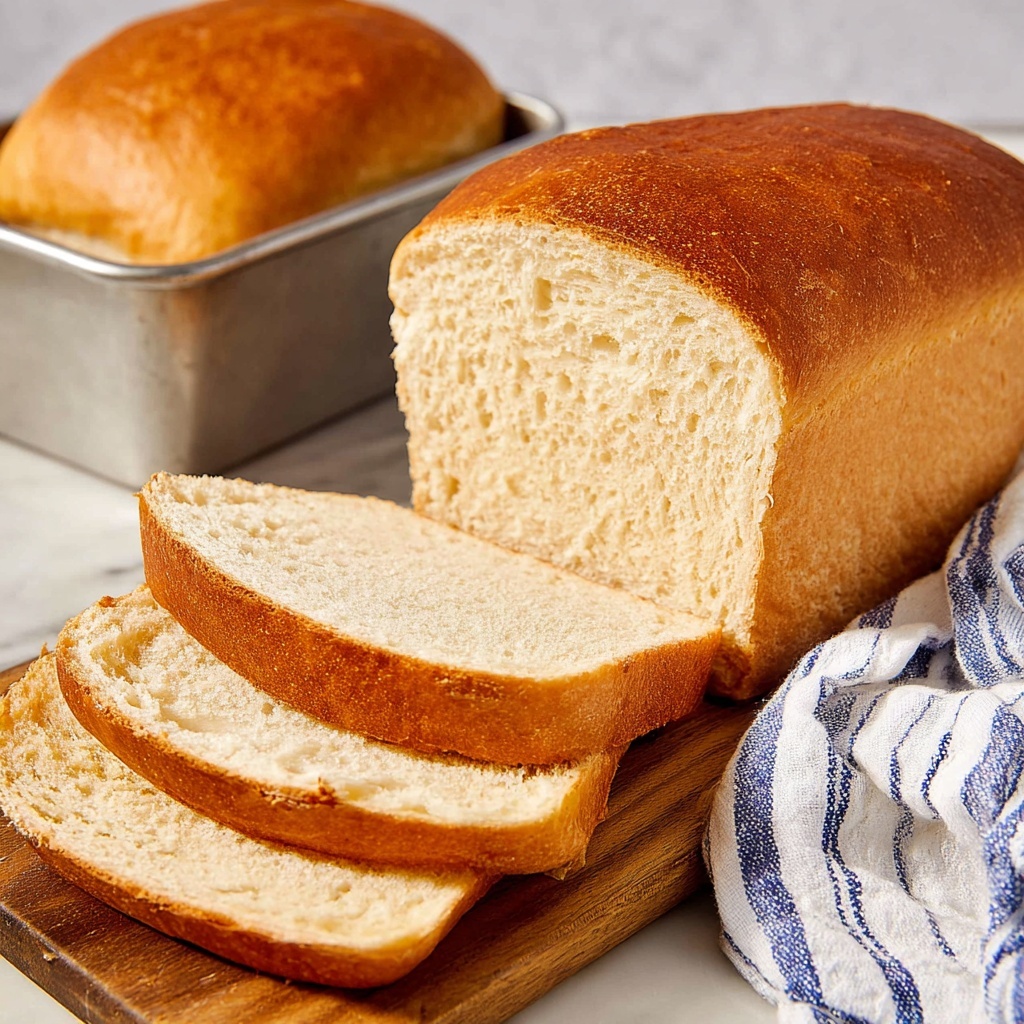
Garnishes
While this bread is delicious on its own, topping your sandwich with fresh greens like arugula or spinach enhances the flavor and adds a crisp, vibrant texture that complements the bread’s tang. Consider a spread of herb mayo or grainy mustard for an extra kick.
Side Dishes
Pair this sourdough sandwich bread with classic sides like a crunchy pickle, a fresh garden salad, or a warm bowl of tomato soup. These combinations highlight the bread’s versatility and comfort-food appeal perfectly.
Creative Ways to Present
Try using slices of this bread to create open-faced sandwiches garnished with smoked salmon, cream cheese, and fresh dill for an elegant touch. Alternatively, toast it lightly before layering your favorite fillings to add a delightful crunch that contrasts beautifully with creamy spreads.
Make Ahead and Storage
Storing Leftovers
Wrap your leftovers tightly in plastic wrap or keep them in an airtight container at room temperature for up to 3 days. This maintains the bread’s freshness and softness without drying out the crust.
Freezing
For longer storage, slice the bread and freeze in resealable bags with parchment paper between slices. This lets you defrost only what you need while preserving the loaf’s flavor and texture for up to 3 months.
Reheating
To bring back that just-baked warmth, toast slices directly or heat the entire loaf wrapped in foil in a 350°F oven for 10–15 minutes. This makes the crust crisp again and revives the bread’s full aroma and softness inside.
FAQs
Can I use only all-purpose flour for this recipe?
Yes, you can use just all-purpose flour, but including whole wheat flour adds flavor complexity and nutrition. The balance creates a heartier loaf that still stays delightfully soft, perfect for sandwiches.
What is sourdough discard and why is it used here?
Sourdough discard is the portion of your sourdough starter you remove when feeding it. Instead of wasting it, this recipe uses it to add flavor and fermentation benefits without needing a long sourdough proofing time.
Do I need to activate the instant yeast before adding it?
No need to proof instant yeast; you can mix it directly with your dry ingredients. That said, keeping your water temperature between 105–110°F ensures the yeast thrives during the dough’s rise.
Can I make this bread without instant yeast?
This bread relies on the combination of instant yeast and sourdough discard for a balanced rise. Omitting yeast will require longer fermentation times and adjustments to yield similar results.
How do I know when the bread is fully baked?
Look for a golden-brown crust and give it a gentle tap on the bottom; a hollow sound indicates it’s baked through. An internal temperature around 190°F is also a reliable indicator of doneness.
Final Thoughts
Making your own Sourdough Sandwich Bread Recipe is such a rewarding adventure that fills your kitchen with irresistible aromas and your sandwich with love. It’s approachable for home bakers yet impressive enough to become your go-to loaf for any meal. Give it a try—you might just find yourself spoiling all your sandwiches from now on!
Print
Sourdough Sandwich Bread Recipe
- Prep Time: 60 minutes
- Cook Time: 35 minutes
- Total Time: 1 hour 35 minutes
- Yield: 2 loaves
- Category: Bread
- Method: Baking
- Cuisine: American
Description
This Sourdough Sandwich Bread recipe yields two soft, flavorful loaves perfect for sandwiches. Combining the tangy complexity of sourdough discard with the ease of instant yeast, this bread offers a tender crumb and a golden crust. Ideal for homemade sandwiches, toast, or any bread craving, it balances whole wheat heartiness with the lightness of all-purpose flour.
Ingredients
Flours
- 6 1/2 cups all-purpose flour (800 grams)
- 1 1/2 cups whole wheat flour (200 grams)
Flavorings and Leavening
- 1 Tablespoon kosher salt (15 grams)
- 3 Tablespoons sugar (40 grams)
- 2 1/4 teaspoons Instant yeast (7 grams)
- 1/2 cup sourdough discard (100 grams)
Liquids and Fat
- 2 1/2 cups warm water (105–110°F) (600 grams)
- 3 Tablespoons unsalted butter, room temperature (40 grams)
Instructions
- Mix Dry Ingredients: In a large mixing bowl, combine the all-purpose flour, whole wheat flour, kosher salt, sugar, and instant yeast. Whisk together until evenly distributed to ensure consistent rising.
- Add Wet Ingredients: Stir in the sourdough discard, warm water (105-110°F), and softened unsalted butter into the dry ingredients. Mix thoroughly with a wooden spoon or dough hook attachment until a shaggy dough forms.
- Knead the Dough: Transfer the dough onto a lightly floured surface and knead by hand for about 8-10 minutes until smooth and elastic. Alternatively, use a stand mixer fitted with a dough hook to knead on medium speed for 6-7 minutes.
- First Rise: Place the kneaded dough into a lightly oiled bowl, cover with a damp cloth or plastic wrap, and let it rise at room temperature for about 1 hour or until doubled in size.
- Shape the Loaves: Gently punch down the risen dough to release air. Divide the dough evenly into two portions. Shape each portion into a loaf by flattening into a rectangle, then rolling tightly from one short edge to the other. Pinch seams to seal.
- Second Rise: Place each shaped loaf into greased 9×5-inch loaf pans. Cover loosely with plastic wrap and allow the dough to rise again for 45-60 minutes until it has risen just above the pan edges.
- Bake: Preheat the oven to 375°F (190°C). Bake the loaves for 30-35 minutes until the crust is golden brown and sounds hollow when tapped. An instant-read thermometer inserted into the center should read 190°F (88°C) to ensure the bread is fully baked.
- Cool and Serve: Remove the loaves from the pans and cool completely on a wire rack before slicing. This prevents a gummy texture and allows the crumb to set perfectly.
Notes
- Using warm water between 105–110°F activates the yeast without killing it.
- Sourdough discard adds flavor and complexity without the need for long fermentation.
- Room temperature butter ensures even distribution and a tender crumb.
- Allow loaves to cool fully before slicing for best texture.
- You can substitute all-purpose flour for whole wheat flour if you prefer a lighter bread, adjusting water slightly if needed.