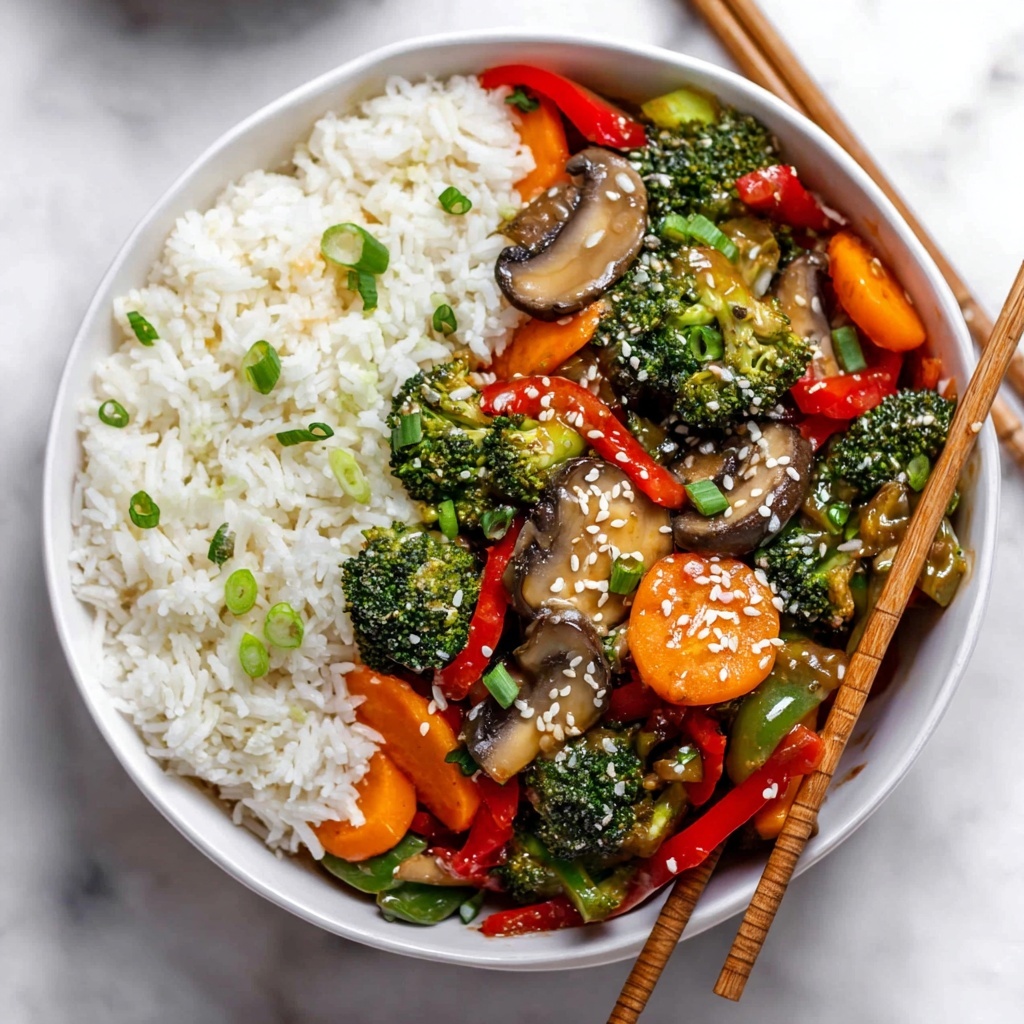
If you’re craving a vibrant, quick, and totally satisfying meal to brighten up your weeknight dinners, this Vegetable Stir Fry Recipe is your new best friend. Bursting with colorful veggies and coated in a luscious, tangy sauce, it’s surprisingly simple to whip up yet packed with incredible flavor and texture. Whether you’re a seasoned veggie lover or just dipping your toes into plant-based meals, this dish offers the perfect balance of crunch, savoriness, and warmth that will keep you coming back for more.
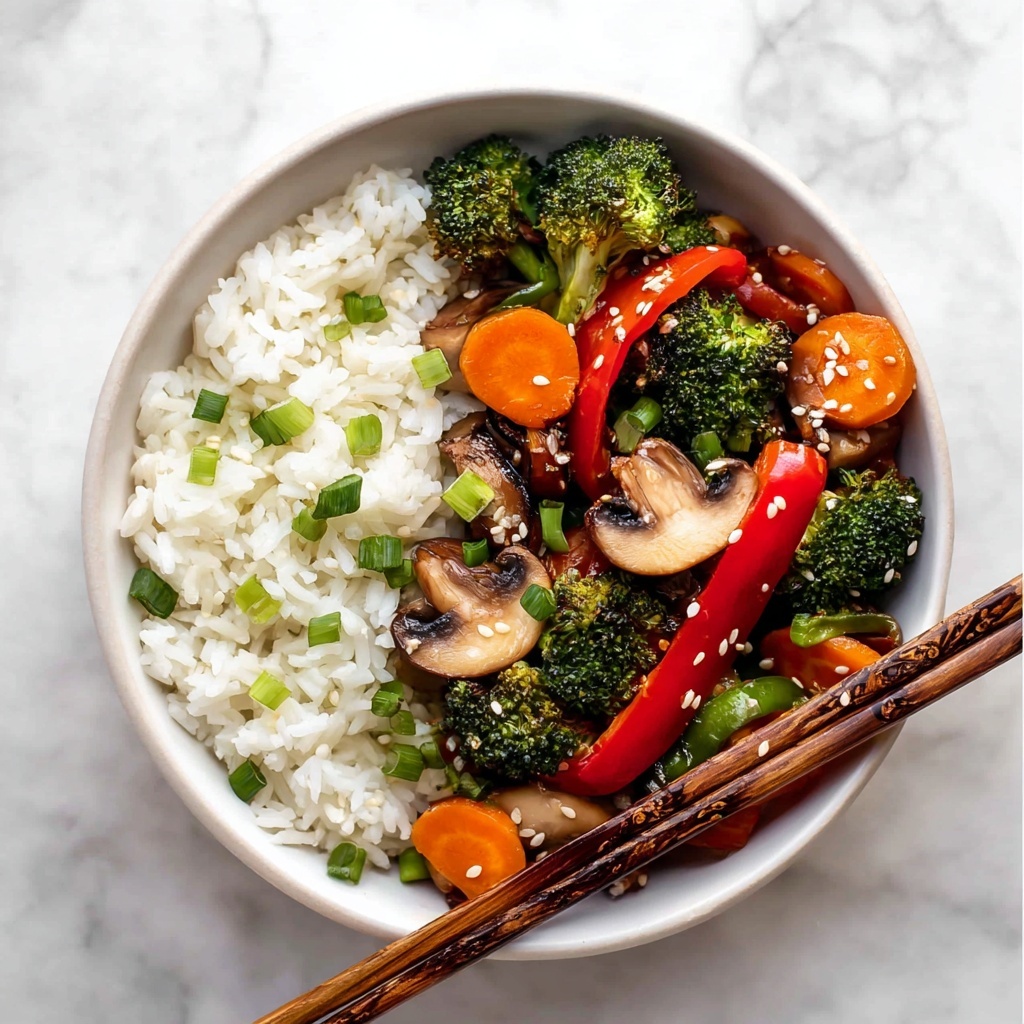
Ingredients You’ll Need
Every ingredient in this Vegetable Stir Fry Recipe plays a crucial role in creating the perfect harmony of flavors and textures. From the aromatic garlic and fresh ginger to the assortment of crisp and tender vegetables, each component brings something special to the pan.
- Low-sodium soy sauce (3 tablespoons): Adds that essential salty depth without overpowering the dish.
- Oyster sauce (2 tablespoons): Provides a subtle sweetness and umami richness that elevates the stir fry.
- Brown sugar (1 tablespoon): Balances the savory notes with a gentle hint of caramel sweetness.
- Cornstarch (1 tablespoon): Helps thicken the sauce for a luscious, clingy finish.
- Sesame oil (1 teaspoon): Infuses a nutty fragrance that brightens each bite.
- Garlic (3 cloves, minced): Delivers a punch of aromatic warmth.
- Fresh ginger (1 inch, minced): Adds zing and complexity to the flavor profile.
- Olive oil (1 tablespoon): Provides a smooth base for sautéing the veggies.
- Onion (½, sliced): Offers sweetness and a tender bite.
- Bell pepper (1, any color, sliced): Brings vibrant color and crispness.
- Carrots (2, sliced into coins): Adds natural sweetness and crunch.
- Kosher salt (½ teaspoon): Enhances the overall flavor without excess sodium.
- Mushrooms (8 ounces, sliced): Adds earthiness and a meaty texture.
- Snap peas (2 cups): Introduces freshness and a satisfying snap.
- Broccoli florets (2 cups): Offers a hearty bite packed with nutrients.
- White rice (1 cup, cooked): Serves as the perfect base to soak up all those delicious juices.
- Sesame seeds (optional): For garnish, adding a subtle crunch and nutty accent.
- Chopped green onion (optional): Brightens the dish with fresh color and mild onion flavor.
How to Make Vegetable Stir Fry Recipe
Step 1: Prepare the sauce
Begin by combining the low-sodium soy sauce, oyster sauce, brown sugar, cornstarch, and sesame oil in a mason jar or mixing bowl. Give everything a good shake or whisk until perfectly blended. This sauce is the heart of your Vegetable Stir Fry Recipe, creating a shiny, flavorful coating for your vegetables.
Step 2: Heat the oil
Place a large skillet or wok over medium heat and add the olive oil. Heating the oil to just the right temperature is key to getting that perfect sear on your veggies while preserving their crispness and vibrant colors.
Step 3: Cook the initial vegetables
Add the sliced onion, bell pepper, and carrot coins to the skillet, along with the kosher salt. Stir-fry these for about 2 to 3 minutes until they start to soften yet maintain a nice crunch. This early cooking step ensures these veggies develop sweetness while keeping their bright color.
Step 4: Add mushrooms
Next, toss in the sliced mushrooms and continue to stir everything together for another 2 minutes. The mushrooms will release some of their moisture, adding earthiness and depth to the stir fry’s flavor.
Step 5: Pour in the sauce
Pour your prepared sauce over the veggies and stir well, making sure every piece is beautifully coated. The sauce will thicken as it heats, transforming the veggies with a glossy, savory glaze.
Step 6: Simmer the sauce
Once you notice the sauce thickening, lower the heat to a gentle simmer to avoid overcooking. This step ensures the sauce clings perfectly without becoming too watery or drying out.
Step 7: Add snap peas and broccoli
Finally, gently fold in the snap peas and broccoli florets. Cook on low heat for just a couple more minutes until the broccoli turns bright green and the snap peas remain delicately crisp. This keeps your stir fry full of freshness and textural contrast that will truly impress.
Step 8: Serve with rice and garnish
Serve your Vegetable Stir Fry Recipe over a warm bed of fluffy white rice. Sprinkle with optional sesame seeds and chopped green onions to add that finishing touch of aroma and crunch. It’s ready to enjoy!
How to Serve Vegetable Stir Fry Recipe
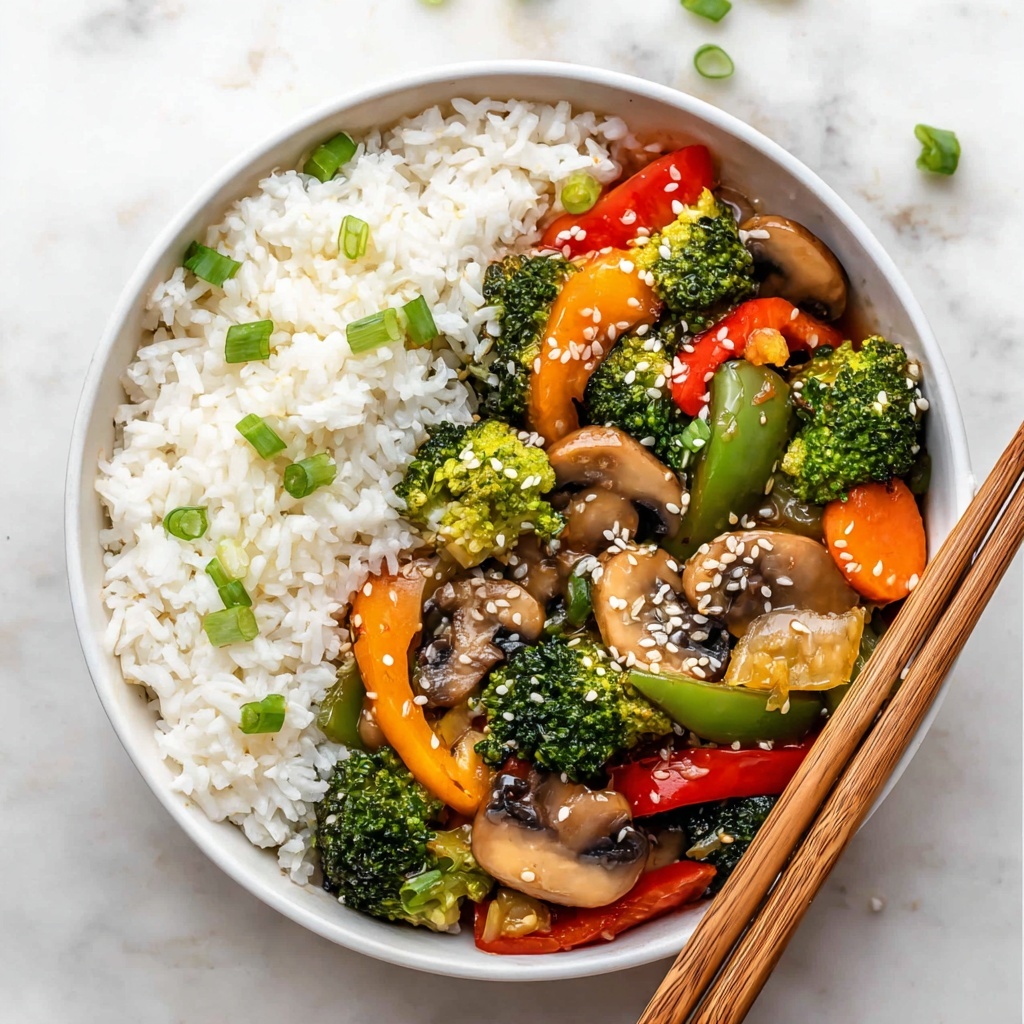
Garnishes
Adding sesame seeds and chopped green onions as garnishes not only enhances the look but also adds a subtle nuttiness and fresh bite, elevating each mouthful of your Vegetable Stir Fry Recipe to the next level.
Side Dishes
While this stir fry is fantastic on its own, pairing it with sides such as steamed dumplings, miso soup, or even a crisp cucumber salad can create a truly satisfying and well-rounded meal experience.
Creative Ways to Present
For an eye-catching presentation, serve your stir fry in hollowed-out bell peppers or over a bed of crunchy noodles. You could also transform it into lettuce wraps for a fresh and interactive twist that’s sure to delight everyone at the table.
Make Ahead and Storage
Storing Leftovers
Once cooled, place any leftover Vegetable Stir Fry Recipe in an airtight container and refrigerate. It keeps well for up to 3 days, making it perfect for quick lunches or second dinners throughout the week.
Freezing
While best enjoyed fresh, you can freeze the stir fry without rice in a freezer-safe container for up to 2 months. To maintain the best texture, thaw it overnight in the fridge before reheating.
Reheating
Reheat your leftovers gently in a skillet over medium heat, adding a splash of water or broth if the sauce has thickened too much. This method helps revive the vegetables’ crispness without losing their tender bite, keeping each serving deliciously fresh.
FAQs
Can I use other vegetables in this Vegetable Stir Fry Recipe?
Absolutely! This recipe is very versatile. Feel free to swap or add vegetables like zucchini, baby corn, or water chestnuts based on your preferences or what you have on hand.
Is it possible to make this recipe vegetarian or vegan?
Yes! Simply replace the oyster sauce with a vegetarian or mushroom-based stir-fry sauce alternative to keep all the savory goodness intact without animal products.
How do I prevent my vegetables from becoming soggy?
Keep the heat fairly high and cook vegetables in batches if necessary to avoid overcrowding the pan. Quick cooking ensures they stay crisp and vibrant, a hallmark of a perfect Vegetable Stir Fry Recipe.
Can I prepare the sauce in advance?
Definitely! The sauce can be made ahead and stored in the fridge for up to one week, making your cooking process even quicker and more efficient during the week.
What kind of rice pairs best with this stir fry?
While white rice is a classic choice, feel free to experiment with brown rice, jasmine, or even cauliflower rice for a healthier twist. Each adds its own unique flavor and texture balance to the dish.
Final Thoughts
This Vegetable Stir Fry Recipe is a celebration of fresh, wholesome ingredients mastered into a dish that’s quick, easy, and utterly delicious. Once you try it, you’ll understand why it easily becomes a family favorite and a go-to meal for busy days. So grab your wok, toss those colorful veggies, and dive into this vibrant, flavorful feast that’s bound to brighten your table and your day!
Print
Vegetable Stir Fry Recipe
- Prep Time: 15 minutes
- Cook Time: 15 minutes
- Total Time: 30 minutes
- Yield: 4 servings (4 bowls)
- Category: Main Course
- Method: Stovetop
- Cuisine: Asian
- Diet: Low Fat
Description
A vibrant and healthy Vegetable Stir Fry recipe featuring a medley of fresh vegetables tossed in a flavorful soy and oyster sauce blend, perfectly paired with steamed white rice. This quick and easy dish is ideal for a nutritious weeknight meal, offering a delightful balance of textures and savory notes.
Ingredients
Sauce Ingredients
- 3 tablespoons low-sodium soy sauce
- 2 tablespoons oyster sauce
- 1 tablespoon brown sugar
- 1 tablespoon cornstarch
- 1 teaspoon sesame oil
Vegetables & Aromatics
- 3 cloves garlic (minced)
- 1 inch fresh ginger (minced)
- 1 tablespoon olive oil
- ½ onion (sliced)
- 1 bell pepper (any color, sliced)
- 2 carrots (sliced into coins)
- ½ teaspoon kosher salt
- 8 ounces mushrooms (sliced)
- 2 cups snap peas
- 2 cups broccoli florets
Additional
- 1 cup white rice (cooked according to package)
- Sesame seeds (optional, for garnish)
- Chopped green onion (optional, for garnish)
Instructions
- Prepare the Sauce: Add all sauce ingredients—low-sodium soy sauce, oyster sauce, brown sugar, cornstarch, and sesame oil—to a mason jar or bowl. Shake or whisk until fully combined and set aside.
- Heat the Oil: Warm the olive oil in a large skillet or wok over medium heat to prepare for sautéing the vegetables.
- Sauté Aromatics and Initial Veggies: Add sliced onion, bell pepper, carrots, and kosher salt to the skillet. Cook for 2 to 3 minutes, stirring occasionally, to soften and develop flavors.
- Add Mushrooms: Stir in the sliced mushrooms and cook for an additional 2 minutes until they begin to soften.
- Add the Sauce: Pour the prepared sauce over the vegetables in the skillet, stirring to coat everything evenly.
- Thicken the Sauce: Continue cooking while stirring until the sauce thickens and clings to the vegetables. Then reduce the heat to low.
- Add Remaining Vegetables: Add the snap peas and broccoli florets, cooking on low heat for 2 to 3 more minutes to keep them crisp-tender.
- Serve: Plate the stir fry over cooked white rice and garnish with sesame seeds and chopped green onion if desired for an extra touch of flavor and presentation.
Notes
- Use low-sodium soy sauce to control the saltiness of the dish.
- Oyster sauce can be substituted with vegetarian mushroom sauce for a vegetarian option.
- Feel free to swap or add other vegetables like zucchini or baby corn based on preference.
- Serve immediately for the best texture as vegetables retain their crispness.
- Adding protein like tofu, chicken, or shrimp can make it a more substantial meal.